




Description
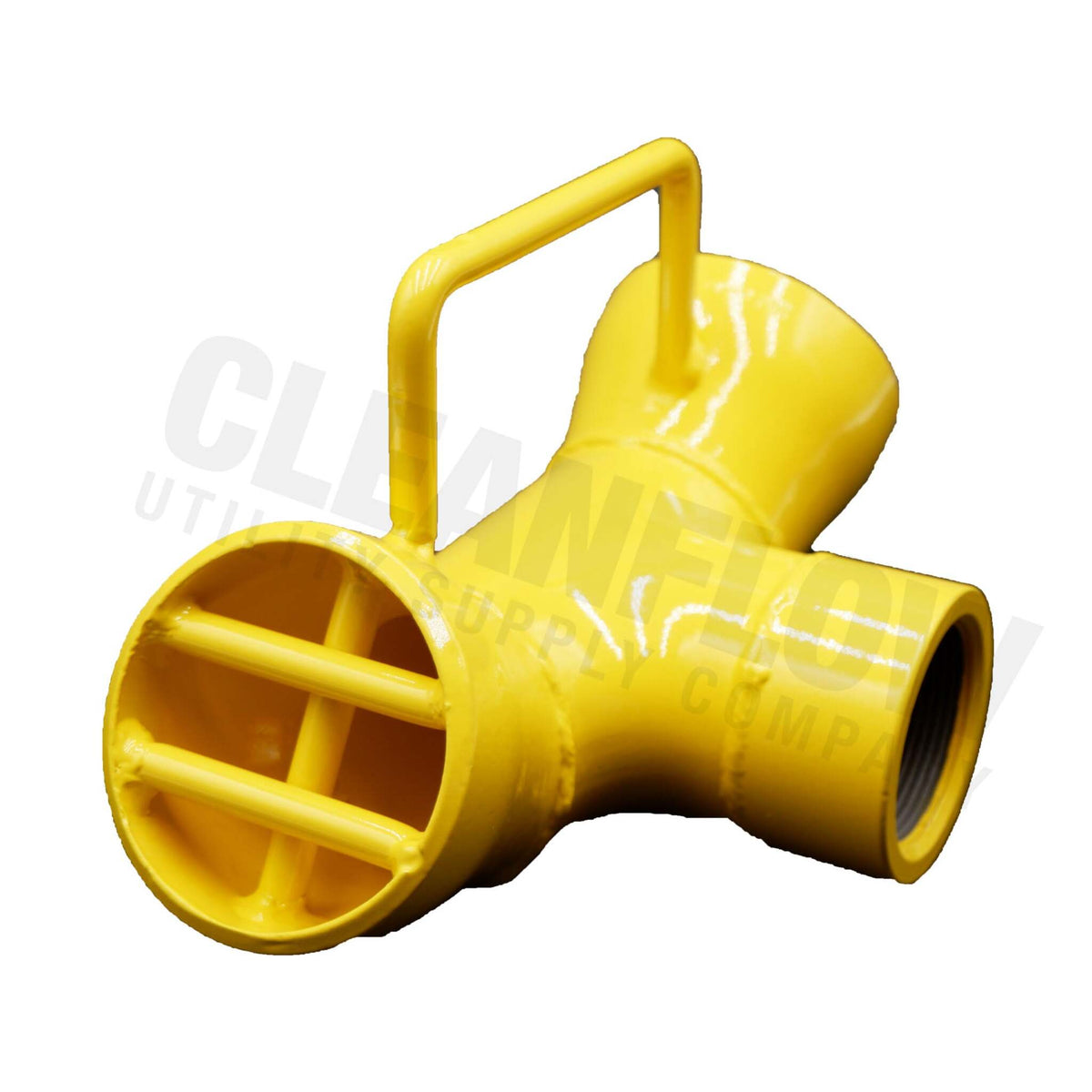
T-Style Fire Hydrant Diffuser, Schedule 40 Steel, UL Listed, NFPA Compliant, 2-1/2" NPT
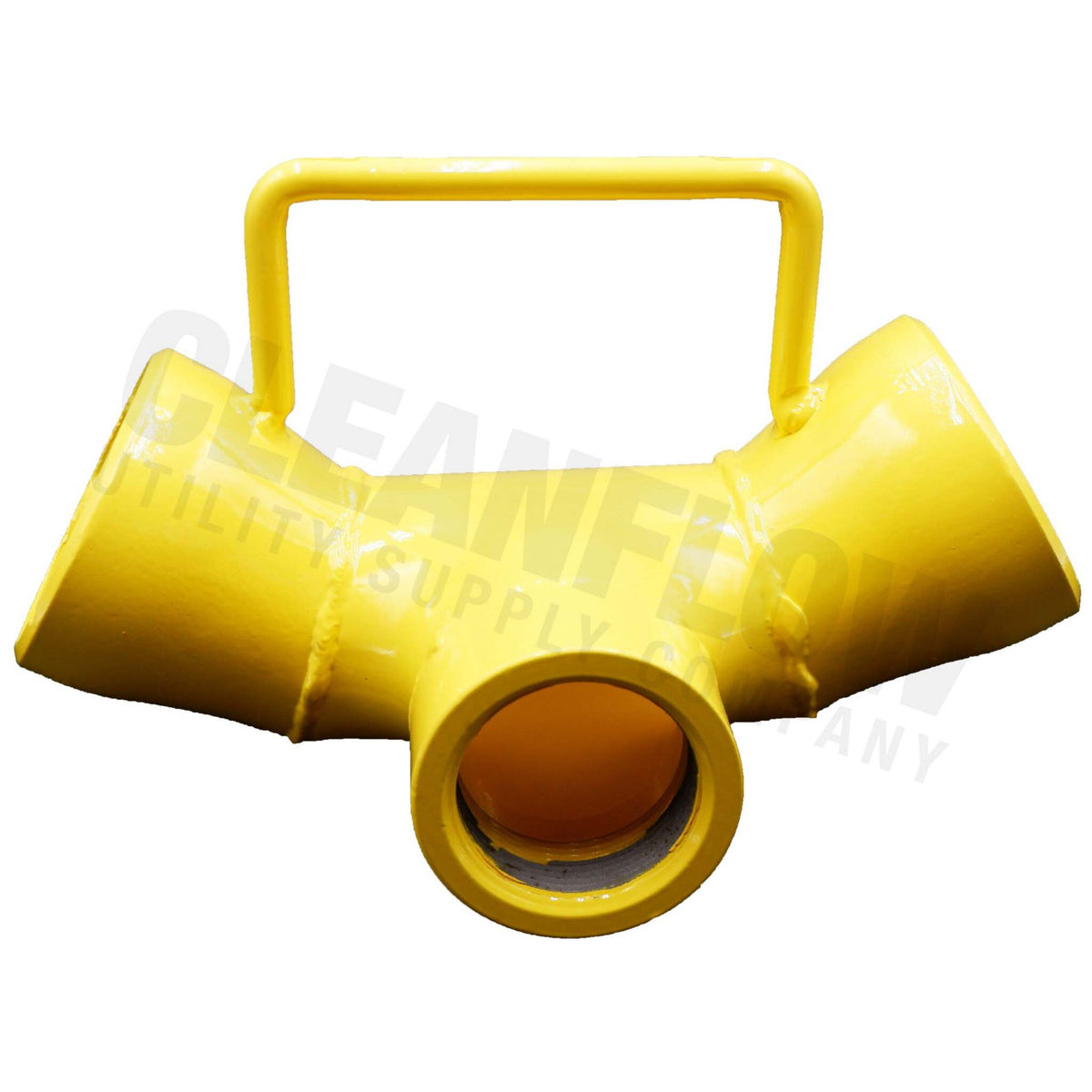
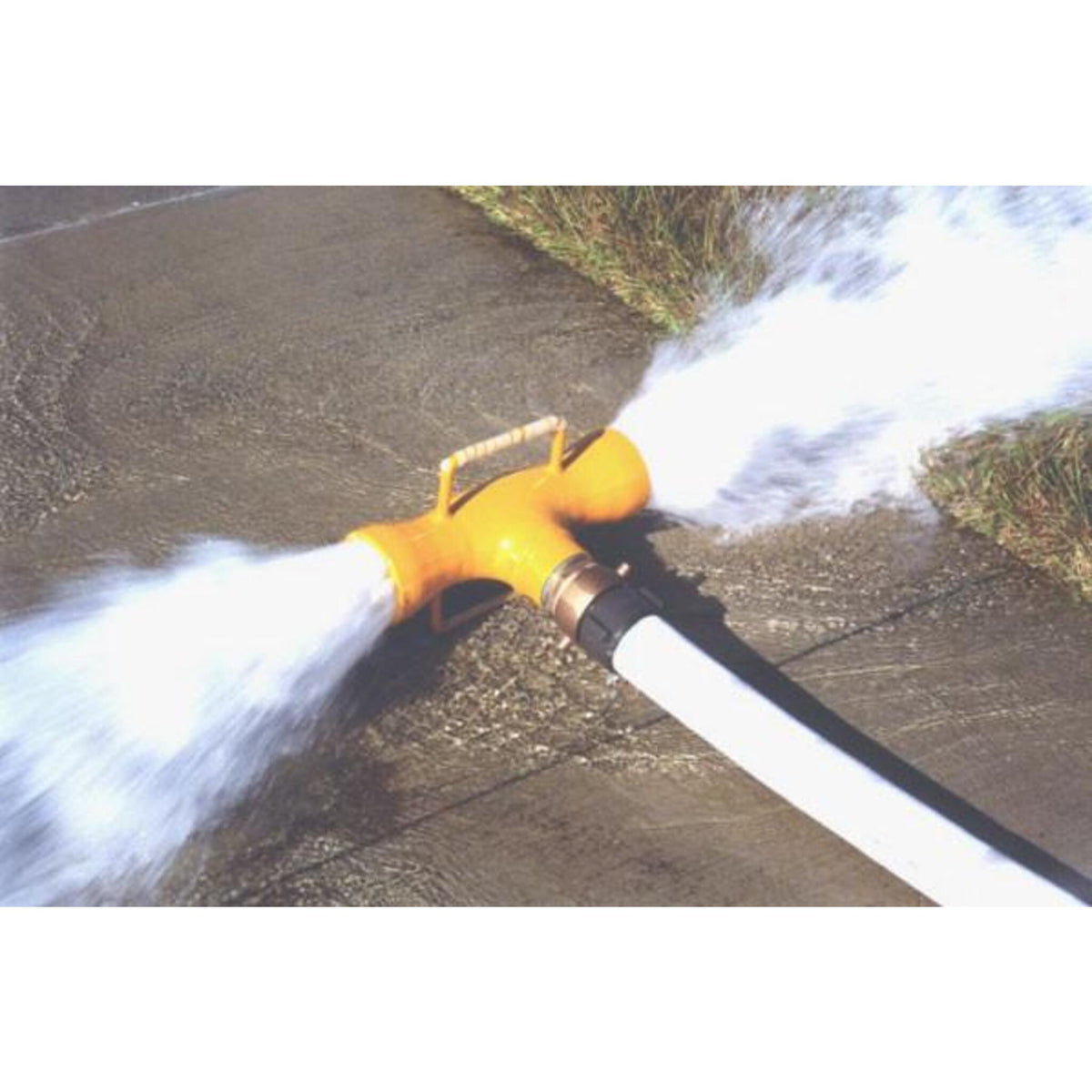
A hydrant flushing diffuser is a safety device that threads onto a fire hydrant outlet and breaks high-pressure water into slower, controlled streams. Without one, opening a hydrant at full pressure causes dangerous hose whip, soil erosion, and risk of injury to nearby workers. The Mars Thrust Buster fire hydrant flushing diffuser uses a T-style baffled design to split the discharge through dual ports, cutting stream velocity by more than 50%.
Water utilities, fire departments, and fire protection contractors use this hydrant flushing assembly for scheduled flushing programs, NFPA 291 flow tests, and water main flushing after pipe repairs or new installations. Built from 21 pounds of Schedule 40 steel with a high-visibility yellow nylon coating, the unit stays firmly planted during use. It connects to any 2-1/2" NPT fitting and is UL Listed and NFPA Compliant.
Specifications
| Product Type | T-Style Fire Hydrant Flushing Diffuser |
|---|---|
| Material | Schedule 40 Steel |
| Coating | Type II Fusion Nylon (High-Visibility Yellow) |
| Thread Connection | 2-1/2" NPT |
| Bronze Fitting | 2-1/2" NST Bronze Female Fire Hose Fitting |
| Compatible Fittings | 2-1/2" Type F Male Camlock, Any 2-1/2" NPT Threaded Fitting |
| Weight | 21 lbs |
| Velocity Reduction | More Than 50% |
| Certifications | UL Listed, NFPA Compliant |
| Available Models | Standard (straight down), 30° Up Angle |
| Original Purpose | Safety device for water meter field testing |
| Year Developed | 1988 |
| Manufacturer | MARS Company |
Key Features
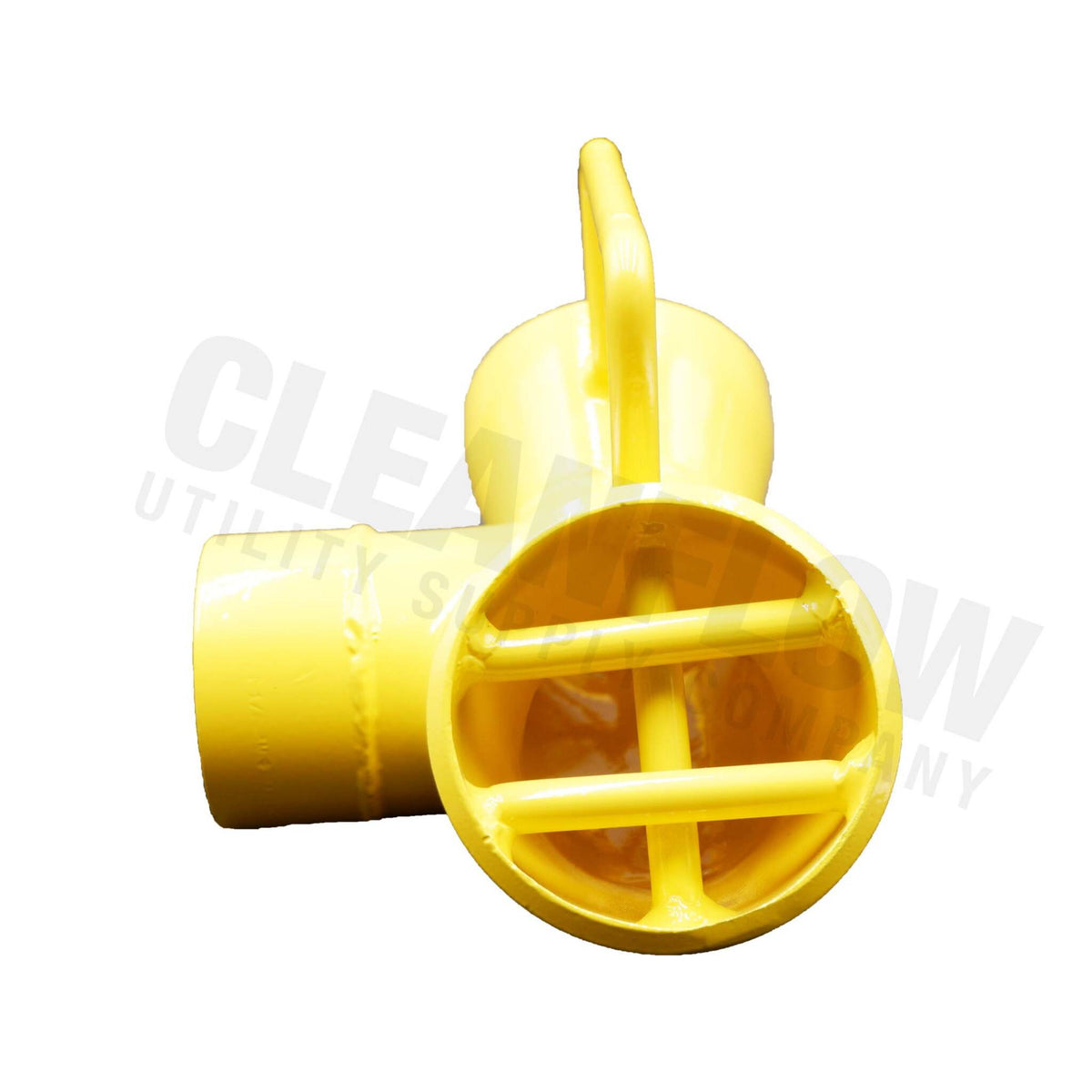
- T-Style Baffled Design, Dual Outflow Ports, 50%+ Velocity Reduction. Splits high-pressure discharge into two controlled streams through internal diffusing bars.
- Schedule 40 Steel, 21 lbs, Stays Planted Without Anchoring. The heavy steel body adds a physical layer of hydrant hose whip prevention during flushing operations.
- Type II Fusion Nylon Coating, High-Visibility Yellow, Corrosion-Resistant. Stands up to repeated outdoor field use and makes the unit easy to spot on a busy job site.
- UL Listed, NFPA Compliant, Third-Party Certified. Meets recognized safety standards for fire hydrant flushing diffuser equipment used in municipal and fire service operations.
- Standard and 30-Degree Up-Angle Models. The 30-degree model uses hydraulic principles to angle flow upward and anchor itself to the ground during high-pressure discharge.
- 2-1/2" NPT Threading, Type F Camlock Compatible. Connects to any 2-1/2" NPT threaded fitting or 2-1/2" Type F male camlock for fast field setup.
Applications
- Municipal water utilities use this fire hydrant diffuser for scheduled annual hydrant flushing and water quality maintenance.
- Fire departments rely on this hydrant flushing assembly during NFPA 291 hydrant flow tests to confirm adequate water supply.
- Water system operators use it as a water main flushing diffuser after pipe repairs, new installations, or water quality events.
- Fire protection contractors use this hydrant flow testing equipment for fire flow surveys when designing sprinkler systems.
- Water meter testing operators pair this fire hydrant flushing diffuser with portable field testers to run meter tests without anchoring hoses.
How to Use a Fire Hydrant Flushing Diffuser
The purpose of flushing fire hydrants is to clear sediment, maintain water quality, and verify adequate flow. Knowing how to flush a fire hydrant safely starts with the right equipment. Compared to open flow flushing without a diffuser, a T-style flushing assembly controls discharge direction, eliminates hose whip, and cuts stream velocity by more than 50%.
- Attach the diffuser. Thread the unit onto the hydrant's 2-1/2" NPT outlet port. The 21-pound body helps hold the unit in place during use.
- Connect a hose if needed. To position the diffuser away from the hydrant, run a fire hose between the hydrant outlet and the diffuser's inlet fitting.
- Open the hydrant valve slowly. Use a hydrant wrench. Water splits through the dual outflow ports at reduced velocity.
- Monitor the discharge. The internal diffusing bars break the stream further as it exits both ports.
- Close the valve slowly when complete. Remove the diffuser only after pressure has fully released.
For flushing programs that require dechlorination, place dechlorination tablets downstream of the diffuser before discharge water enters storm drains.
Buy Fire Hydrant Flushing Diffuser Online from Cleanflow
Cleanflow Utility Supply Company has this fire hydrant flushing diffuser for sale as an authorized MARS Company distributor. The Mars Thrust Buster ships across Canada and the USA with free shipping on orders over $199. Returns are accepted within 30 days. Email info@cleanflow.ca for questions.
When local regulations require dechlorination or flushing discharge, Vita-D-Chlor dechlorination tablets treat the water before it enters storm drains.
Frequently Asked Questions
What is the purpose of flushing fire hydrants?
Flushing removes sediment, rust, and stale water from distribution pipes to maintain water quality and confirm that hydrants flow at the required rate. Most municipalities flush hydrants on an annual or biannual schedule following AWWA guidelines.
What is a hydrant flushing diffuser?
A hydrant flushing diffuser is a device that threads onto a fire hydrant outlet and breaks high-pressure water into slower streams. It prevents hose whip, controls erosion, and reduces stream velocity so workers and the surrounding area stay safe during flushing.
How do you flush a fire hydrant safely?
Safe hydrant flushing starts with attaching a fire hydrant flushing diffuser or hose to the outlet before opening the valve. The diffuser controls discharge direction and prevents hose whip. Operators should follow their municipality's procedures and NFPA 291 guidelines.
What is the difference between a T-style hydrant diffuser and a swivel diffuser?
A T-style hydrant diffuser splits water through two side ports and eliminates the forward thrust that causes hose whip. A swivel diffuser redirects flow downward through a bell-shaped opening but does not fully eliminate lateral thrust. T-style designs anchor more firmly during high-pressure flushing.
Does a hydrant diffuser measure water flow?
No. A fire hydrant diffuser controls discharge direction and reduces velocity. It is not a metering device. Operators who need flow measurements during hydrant testing should pair the diffuser with a separate pitot gauge assembly.
Similar Products
Featured collection


