



Description
Copper Re-rounding Tool for Compression Fitting Prep | Made in USA
Product Overview
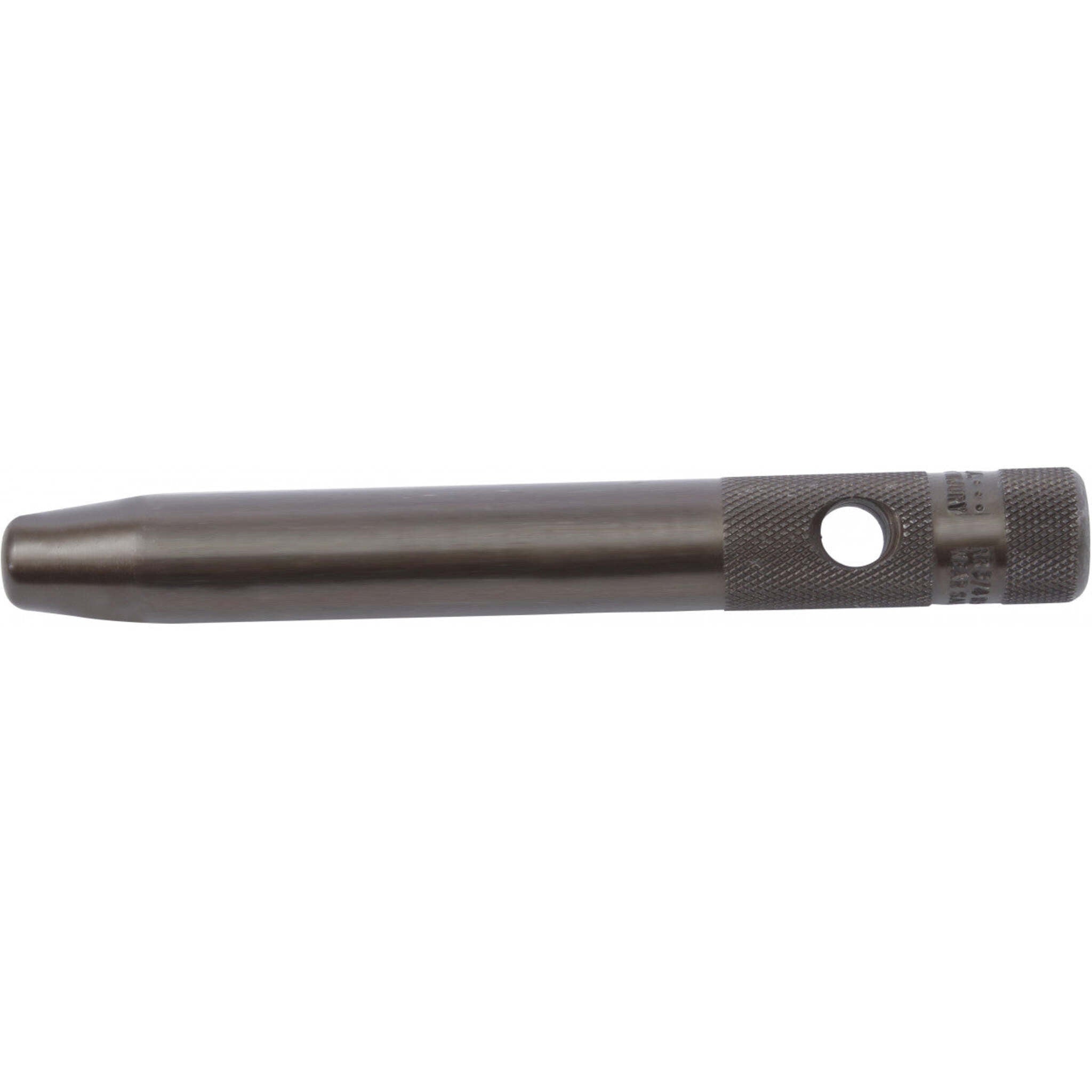
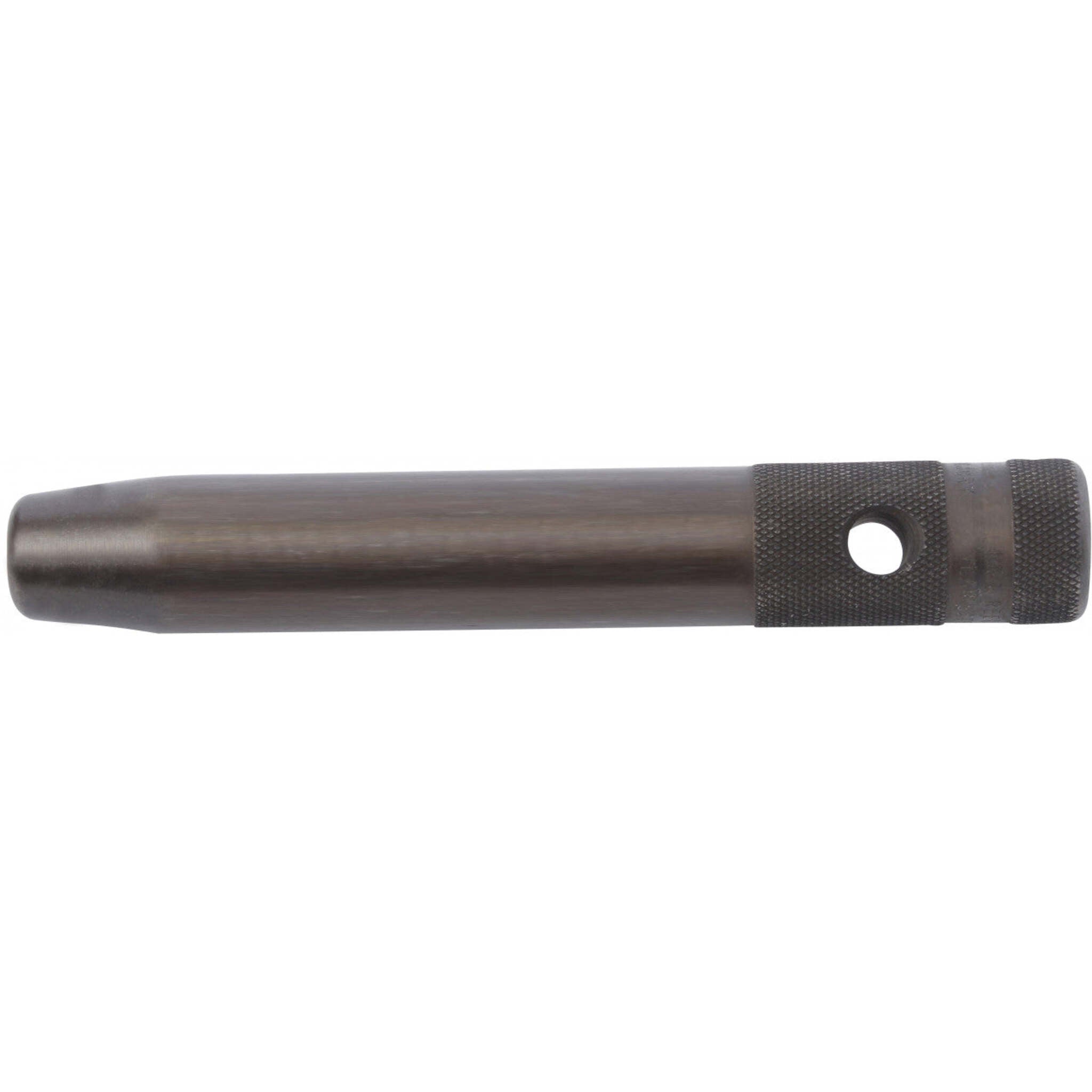
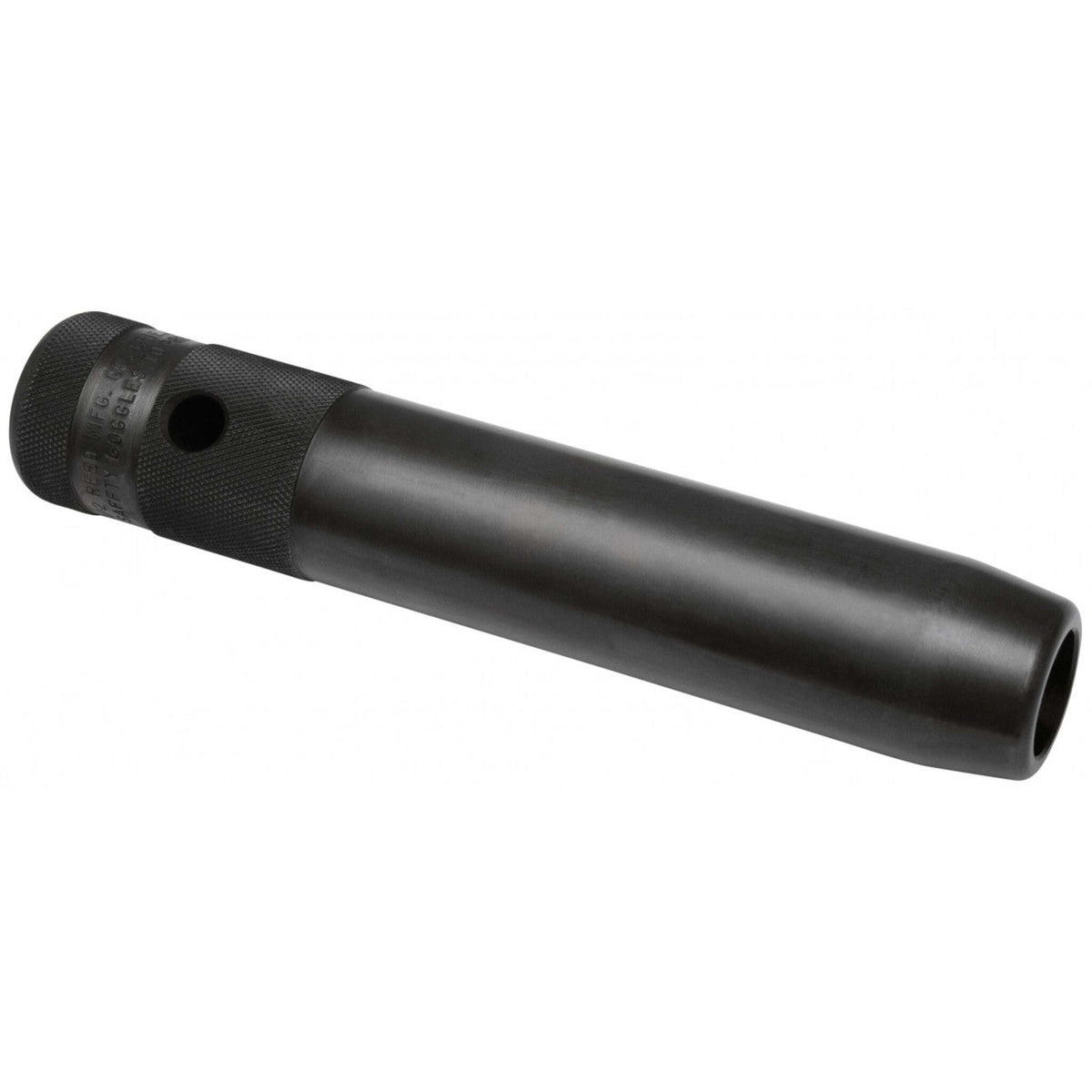
The Reed rerounding tool is a steel mandrel that restores out-of-round Type K copper tubing to its original round shape for leak-free compression fittings. Insert the rerounding tool for copper tubing into the pipe end, strike with a soft-faced brass hammer, and rotate until round. Four sizes available: 3/4", 1", 1-1/2", and 2" CTS.
Quick Specs
- Copper Tube Sizes: 3/4", 1", 1-1/2", 2" CTS
- Material Compatibility: Type K copper tubing only
- Available Models: RR3/4, RR1, RR1 1/2, RR2
- Construction: Steel
- Required Hammer: Soft-faced brass hammer (Reed HAM3 recommended)
- Country of Origin: USA
Specifications
| Model | Item Code | Copper Tube Size | Length | Weight |
|---|---|---|---|---|
| RR3/4 | 06081 | 3/4" | 6" (152 mm) | 0.7 lbs (0.3 kg) |
| RR1 | 06082 | 1" | 6.5" (165 mm) | 1.3 lbs (0.6 kg) |
| RR1 1/2 | 06084 | 1-1/2" | 8" (203 mm) | 2.8 lbs (1.3 kg) |
| RR2 | 06085 | 2" | 9" (229 mm) | 5.4 lbs (2.5 kg) |
Key Features
- Sized to match CTS copper inside diameters. Each model is machined to the inside diameter of its corresponding Type K copper tubing size. The tool expands tubing back to round without oversizing it, so the compression ferrule seats properly and seals on the first attempt.
- Steel construction for repeated field use. The RR series is solid steel, built to absorb thousands of hammer strikes without deforming. Designed for daily use by municipal crews and utility contractors.
- Through-hole for easy extraction. After driving the tool into the pipe end, insert a rod through the hole at the top and turn to pull it out. No prying or forcing required.
- No moving parts or adjustments. Each copper pipe rounding tool is a single solid piece. Nothing to calibrate, break, or replace. Select the model that matches your pipe size and it is ready to use.
How to Use
- Wear safety goggles per OSHA regulations.
- Using a tubing cutter, cut copper tubing to the desired length. Make sure the cut is square.
- Using a deburring tool or a file, remove all burrs from the inside and outside of the pipe. Unburred tubing can cause leakage.
- Inspect the rerounding tool and hammer for mushrooming or damage. Repair or replace before using.
- Apply a small amount of potable grease to the shank of the tool to lubricate during the rerounding procedure.
- Insert the Reed rerounding tool into the end of the tubing.
- Using a soft-faced brass hammer (not a hardened steel hammer), strike the tool with light blows. Rotate the tool a small amount after each blow until the edge of the tool reaches the end of the tubing.
- Remove the tool and inspect the joint surfaces. The tubing should be clean with no scratches or blemishes that could cause a leak. If defects are present, repeat from step 2.
- Place the tubing end into the compression fitting and tighten the nut with a smooth jaw wrench.
Tip: To extract the rerounding tool from the tubing, insert a rod through the top hole and turn.
What You Need
Complete your rerounding workflow with these companion tools from Cleanflow:
- Reed HAM3 Brass Hammer - soft-faced hammer for striking rerounding tools. Recommended compression fitting tool companion for all RR sizes.
- Reed Compact Copper Tubing Cutters - cuts Type K, L, M copper tubing square before rerounding.
- Reed DEB200 Deburring Tool - removes inside and outside burrs from copper tubing after cutting.
- Reed Hammer Flaring Tools - creates 45-degree flares on Type K copper for flare connections.
- Reed RCR341 Round-It Straightener/Rerounder - straightens and rerounds 3/4" and 1" copper along the pipe length.
- Smooth jaw wrenches and safety goggles are required for all rerounding work.
Care and Maintenance
Repeated or off-center hammer blows can cause "mushrooming" of the striking surface. If the striking end deforms, remove from service and grind or file the surface back to its original shape, maintaining a slight crown. Inspect the copper rerounding tool and brass hammer after each use. Replace either tool if damage cannot be filed smooth. A mushroomed surface can cause chips to break free, creating a safety hazard.
Applications
Reed rerounding tools serve as a copper water service tool across multiple trades. As a copper pipe rounding tool, each model handles one size, so crews working with multiple pipe diameters typically carry all four.
- Water service installation, repair, and maintenance on Type K copper tubing
- Underground water main connections and meter installations
- Building service and plumbing connections using compression fittings
- HVAC copper line work and refrigeration piping
- Industrial facility maintenance
- Commercial construction with compression-joined copper lines
Buy Reed Rerounding Tools Online from Cleanflow
Cleanflow Utility Supply Company is an authorized Reed dealer serving customers across Canada and the United States. Free shipping on orders over $199, with a 30-day return policy.
Browse the full flaring and rerounding tools collection for companion products. See our complete selection of Reed pipe tools and pipe tools.
Frequently Asked Questions
How do you use a rerounding tool on a copper pipe?
Cut the tubing square, deburr inside and outside, and grease the tool shank. Insert the rerounding tool, strike with a brass hammer using light blows, and rotate slightly after each strike until fully inserted. Remove by inserting a rod through the top hole and turning. Inspect surfaces before installing the fitting. This is how to use a rerounding tool on a copper pipe.
What is a rerounding tool used for?
A rerounding tool restores out-of-round copper tubing to its correct circular cross-section. Compression fittings need a round pipe to seal. Coiled or damaged Type K copper tubing often becomes oval, causing uneven ferrule seats and leaks. The rerounding tool expands the pipe end back to its correct inside diameter.
What size rerounding tool do I need for copper tubing?
Match the rerounding tool for copper tubing to your nominal CTS pipe size: RR3/4 for 3/4", RR1 for 1", RR1 1/2 for 1-1/2", RR2 for 2". All four sizes are designed for Type K copper tubing only and are not interchangeable between sizes.
What is the difference between a rerounding tool and a pipe straightener?
A rerounding tool vs pipe straightener comparison: Reed RR series tools are mandrels that restore roundness at the pipe end for compression fitting installation. Reed RCR series (Round-It) straightener/rerounders are external clamps that fix kinks and oval sections anywhere along the pipe length. Use an RR tool for out-of-round pipe ends. Use an RCR for mid-length kinks or bends.
How do you fix out-of-round copper tubing for compression fittings?
The correct method for how to fix out of round copper tubing for compression fittings is to use a properly sized rerounding tool. Cut square, deburr, grease the tool, and drive it in with a brass hammer. Do not use a hardened steel hammer (chipping hazard). Do not squeeze the pipe with pliers or a vise (creates flat spots). A dedicated copper rerounding tool restores the full inside diameter uniformly.
Manuals & Documentation
How-To Articles

Similar Products
Featured collection


