











Pipe and Waterworks Tools for AWWA-Standard Valve, Threading, Beveling, and Test Work
The professional pipe tools and waterworks tools Canada utilities depend on cover the full lifecycle of underground water and gas infrastructure. Installing new service connections to live mains under pressure, operating buried valves and curb stops, squeezing off PE service lines for repairs without excavation, prepping and joining pipe, pressure-testing new runs at commissioning, and certifying new manholes watertight before sign-off.
Industrial pipe trades use the same tools across plant maintenance, fabrication, mechanical contracting, and facility upgrades. The work spans copper service lines on residential repairs, large-diameter cast iron and ductile iron mains in municipal systems, PVC and HDPE on plastic-pipe networks, and stainless steel in industrial process piping.
Shop Pipe and Waterworks Tools by Type
Tools are organized by the work they do — water service, threading and assembly, cutting and beveling, valve operation, and testing. Browse the section that matches the job, or jump straight to the tools you need.
Water Service and Distribution Tools
Curb and Valve Keys
Curb and valve keys are the long-handled tools used to operate buried mainline valves and curb stops on water and gas systems. The handle reaches down into the valve box; a socket on the bottom end fits the operating nut on the valve. Hand keys cover most municipal work; pivoting and electric valve operators handle larger valves where hand torque isn't enough. The curb and valve keys stocked here are the professional pipe tools and waterworks tools Canada utilities use daily, sized to fit standard 2-inch AWWA valve operating nuts and curb stop hardware.
Drilling and Tapping
Drilling and tapping equipment installs new service connections on a live water main without shutting down water service to the area. A drilling machine clamps to the main, a shell cutter drills through the pipe wall, and a corporation stop is threaded into the tapped hole, all under pressure. AWWA-approved drill taps cut clean threads that hold up to municipal water service standards. The drilling and tapping machines here are core professional pipe tools and waterworks tools Canada municipalities specify for water service installations.
Shut Off Tools
Shut off tools temporarily stop the flow on a service line so a repair can happen without shutting off the main. PE squeeze-off tools mechanically pinch a polyethylene service line between two bars; copper shut-off tools and standing shut-off tools cover copper service work. The technique avoids excavating to a curb stop or shutting down service to other customers. The shut-off tools stocked here are everyday professional pipe tools for water utility repair crews across Canada.
PE Peelers
PE peelers strip a thin layer of oxidized material off the surface of polyethylene pipe before electrofusion welding. Without that step, the fusion joint can't bond properly. Surface oxidation prevents the molten pipe and fitting from fusing. Peeling takes seconds with a hand-held tool. PE peelers are required professional pipe tools for any PE or HDPE waterworks fusion installation.
Manhole Testing
Manhole testing equipment verifies that newly built sewer manholes are watertight before the system goes into service. A vacuum is pulled inside the sealed manhole; a gauge tracks how long the vacuum holds. Manholes that lose vacuum fail inspection and have to be sealed and retested. Manhole testing is required equipment for waterworks tools Canada contractors signing off on new sewer construction.
Pipe Cutting and Beveling
Pipe Wrenches
Pipe wrenches turn threaded pipe and pipe fittings. The serrated jaws bite into round pipe and tighten under load. The harder you pull, the harder they grip. Different profiles handle different jobs: straight wrenches are the everyday all-purpose pick; offset and end wrenches reach into tight clearances near walls; chain wrenches grip large or irregular pipe; compound-leverage wrenches break seized joints. Pipe wrenches are the foundation of professional pipe tools on any plumbing or waterworks service truck.
Quick Release Cutters
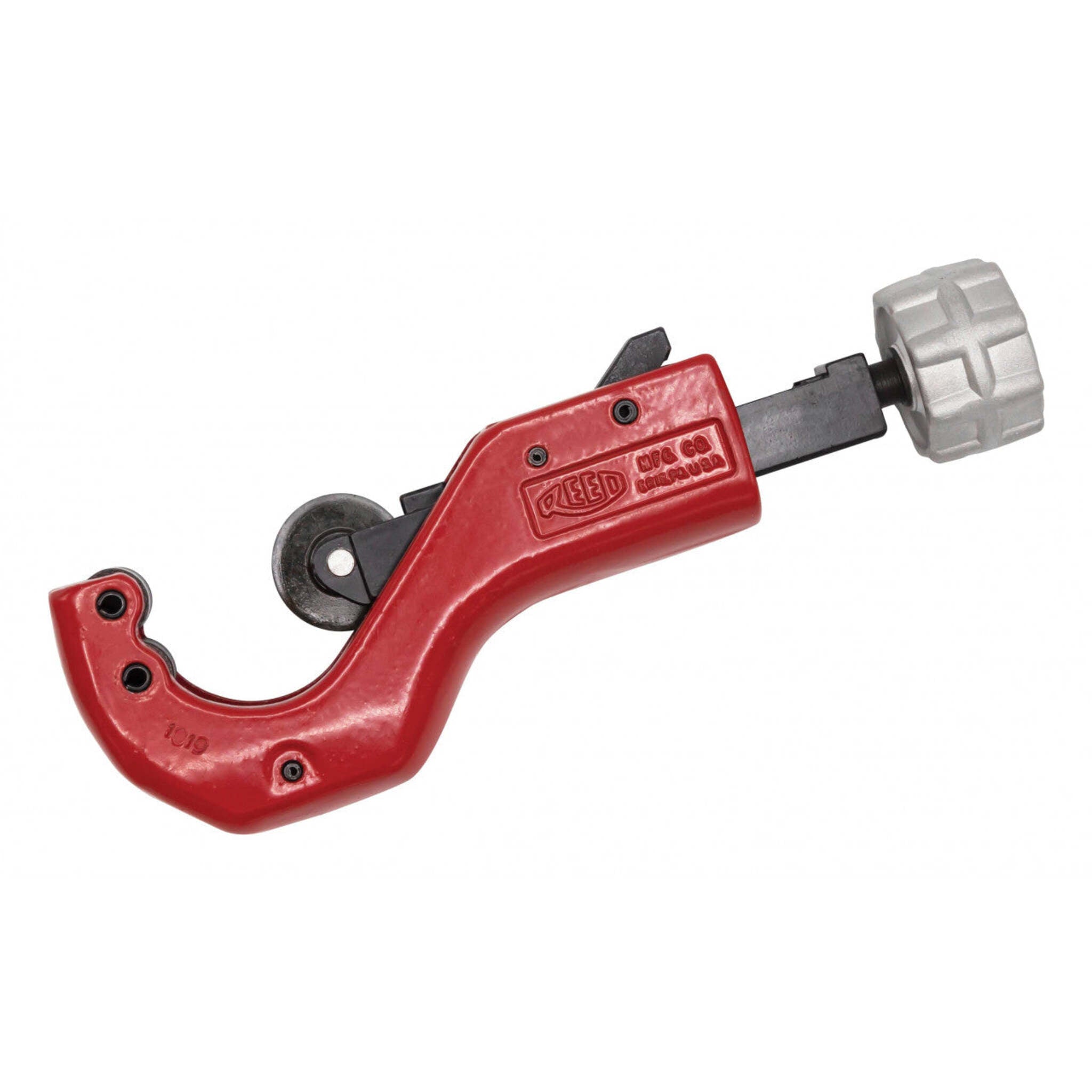
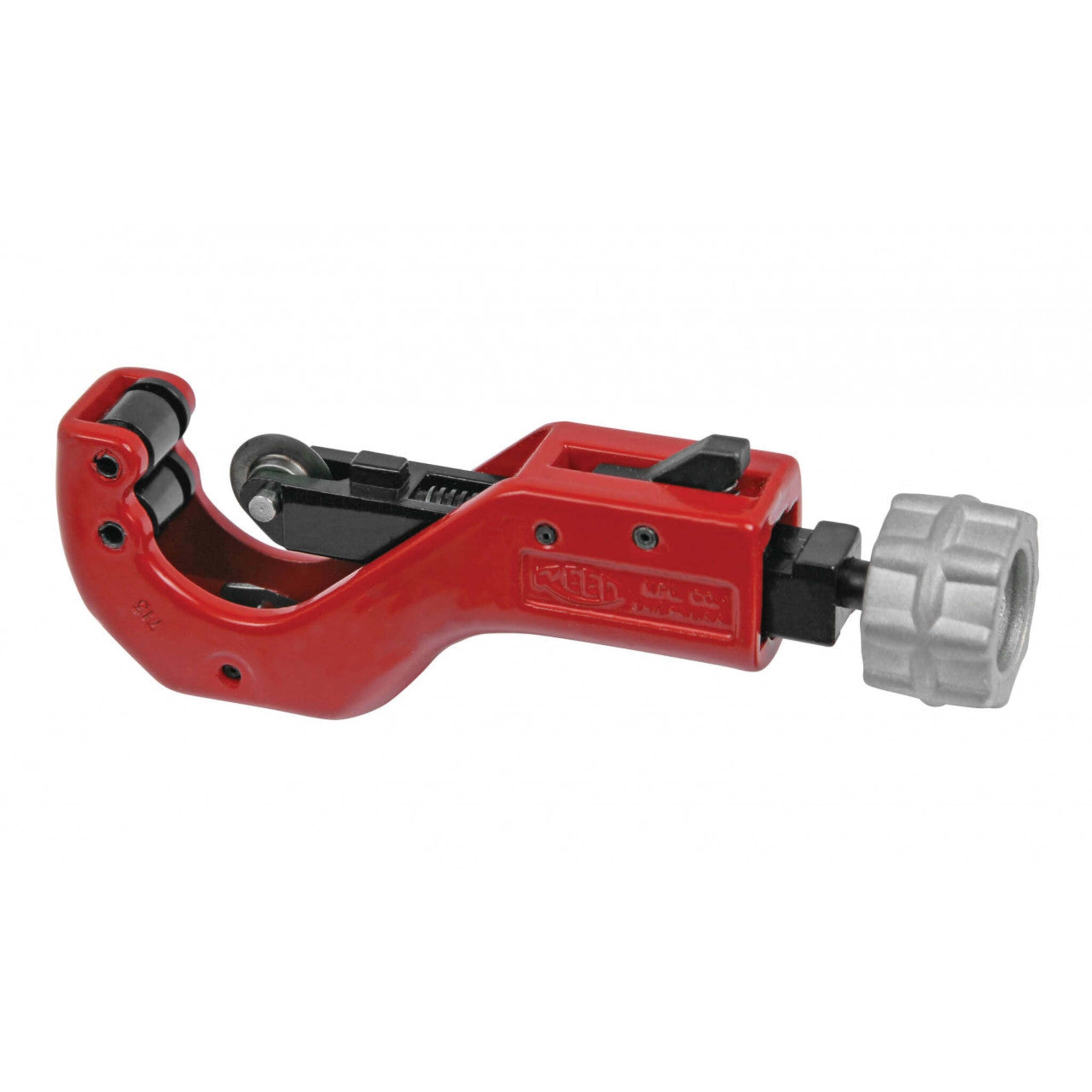
Quick-release pipe and tubing cutters use a one-pull blade engagement instead of the multi-turn knob found on a standard wheel cutter. The blade clamps onto the pipe in one motion; a few rotations make the cut. Across a full day of cuts, the time savings add up. Quick-release cutters are the everyday professional pipe tools for service work on copper, steel, and stainless tubing, where minutes per cut matter.
Beveling and Deburring
Beveling cuts a chamfered angle on a pipe end before welding, fusion, or solvent-cement bonding; deburring removes the rough edge left after cutting. Both steps are what determine whether a joint holds. Cordless and corded pipe bevelers, drill-powered deburr tools, and chamfer tools cover everything from small copper service lines to large-diameter waterworks mains. The beveling and deburring tools stocked here are the professional pipe tools that turn a rough cut into a sound joint.
Internal Pipe Cutters
Internal pipe cutters trim pipe flush from the inside. The right tool when the pipe is already in a wall, slab, or tight-clearance fitting and there's no way to reach it from outside. A drill-powered shaft fits down inside the pipe; an adjustable blade cuts the pipe at a set depth. The internal pipe cutters stocked here cover PVC, CPVC, ABS, and PEX repair work, one of the lower-cost professional pipe tools that pays for itself the first time it saves cutting open a wall.
Guillotine Pipe Cutters
Guillotine pipe cutters use a chain-and-blade mechanism to make a clean square cut on cast iron and large-diameter pipe, the kind of work that wheel cutters can't handle because of material thickness or pipe size. The chain wraps around the pipe; the blade pulls through under leverage. Guillotine pipe cutters are the right professional pipe tools for sewer-main and waterworks installation work, especially on cast iron and large sewer pipe, where geometry rules out other cutting methods.
Plastic Pipe Saws
Plastic pipe, PVC, CPVC, ABS, and large-diameter HDPE cuts differently from metal. Plastic pipe saws have aggressive teeth designed to clear debris instead of binding in soft material, plus blade geometry that resists snagging. Across mixed-material installs, a dedicated plastic saw cuts cleaner than a hacksaw and faster than a wheel cutter on bigger sizes. Plastic pipe saws are part of the standard professional pipe tools loadout for service crews working across multiple pipe materials.
Rotary Cutters
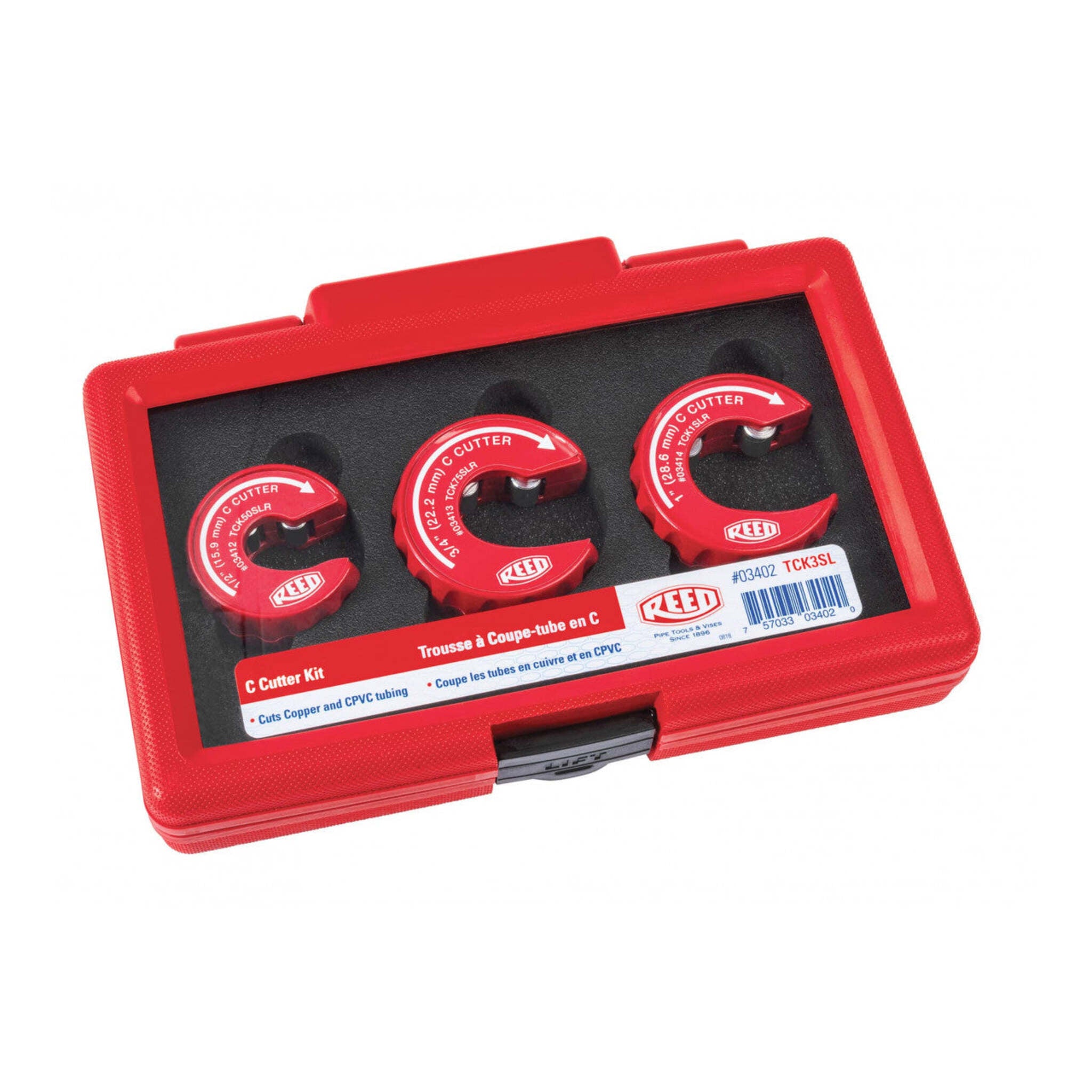
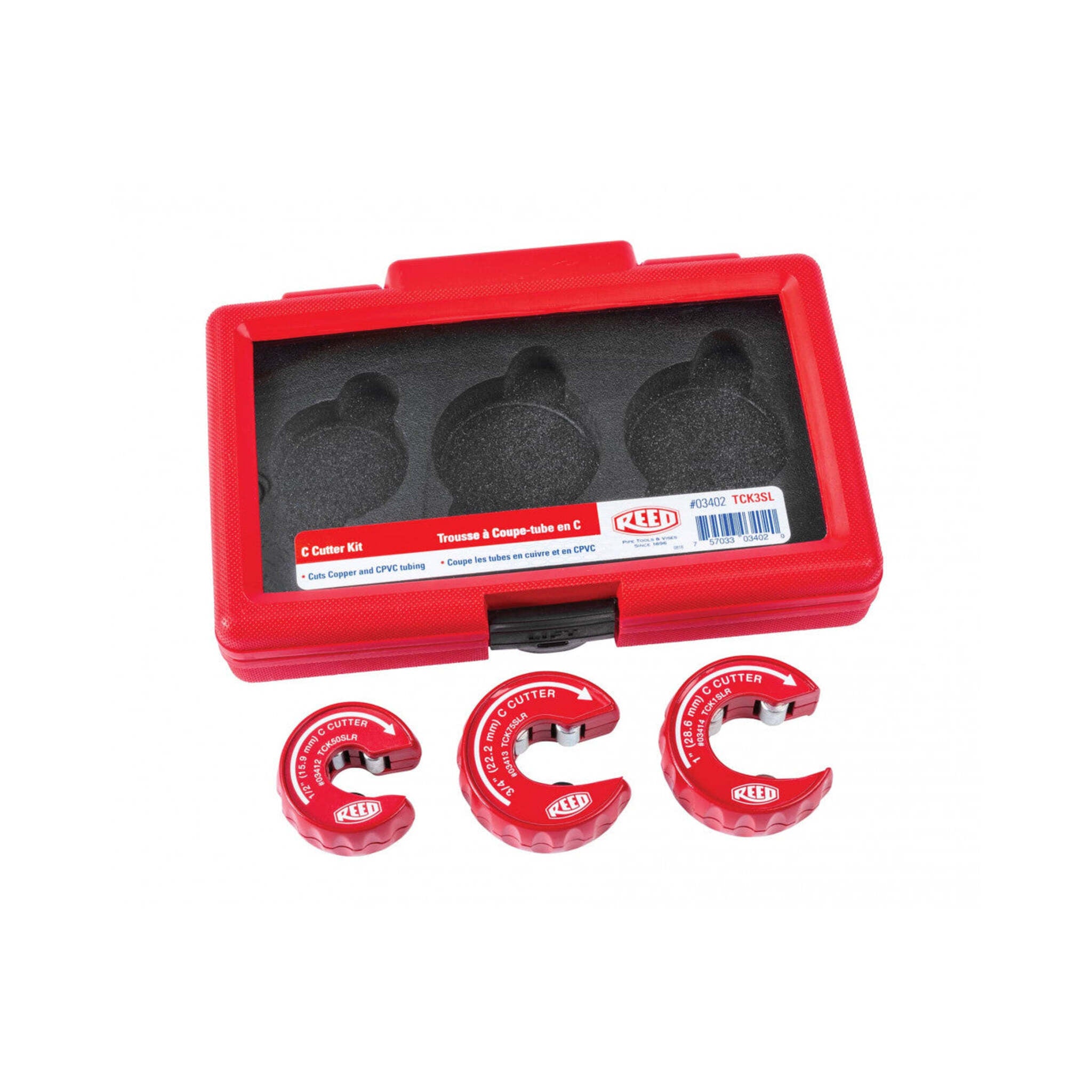
Rotary cutters wrap around the pipe and rotate a hardened cutting wheel that scores progressively deeper until the pipe parts. The geometry works in tight spaces where there isn't room to swing a wheel-frame cutter. Rotary cutters handle steel, copper, and stainless tubing, useful professional pipe tools for service work in mechanical rooms, equipment skids, and behind-wall plumbing where access is the constraint.
Ratchet Shears
Ratchet shears cut soft pipe materials, PEX, PVC, CPVC, and tubing by tightening through several ratcheting strokes instead of one squeeze. The mechanical advantage means clean cuts on the pipe that would be crushed under a single-stroke cutter. Ratchet shears are the everyday professional pipe tools for service plumbing and irrigation crews who work in soft pipe materials all day.
Pipe Reamers
Pipe reamers clean the inside diameter of plastic pipe fittings before solvent-cement bonding. A drill-powered shaft fits the fitting; a carbide cutting insert removes burrs, oxidation, and debris that would otherwise prevent a clean joint. Reaming is the small step that quietly determines whether a PVC or CPVC joint holds. Pipe reamers are professional pipe tools that pay for themselves in joint reliability across a full-day install run.
Threading and Assembly
Pipe Threading
Pipe threading cuts NPT (National Pipe Thread) threads onto the field pipe so it can be joined with a fitting. Manual ratchet threaders use a hand crank to turn the die head around the pipe, practical for occasional threading or pipe up to about 2 inches. The pipe threading range here covers the manual side of the work, including drophead die sets and ratchet threaders. These are everyday professional pipe tools for plumbers, fitters, and maintenance crews who thread pipe in the field.
Power Drive
Power drive units replace the manual hand-crank with an electric motor that turns the die head around the pipe. The work is faster, less physically demanding, and practical on larger pipe sizes where hand threading takes too long or generates too much torque to safely manage by hand. Power drive units are the right professional pipe tools for fabricators, mechanical contractors, and utility shops running production threading.
Flaring and Rerounding
Flaring tools shape the end of a copper tube into a 45-degree flare so it can seal against a flare fitting without solder. Rerounding tools restore a copper pipe that's been pinched or dented back to a round cross-section so it can accept a fitting again. The flaring and rerounding tools range covers both everyday professional pipe tools for water service crews and plumbers working on copper service lines.
Plastic Pipe Joint Kits
Plastic pipe joint kits cover the consumables for solvent-cement bonding on PVC, CPVC, and ABS primer to clean and soften the pipe surface, cement to chemically fuse it to the fitting, and applicators sized to the pipe diameter. Joints made with mismatched primer or cement fail. Plastic pipe joint kits stocked here are matched sets. The consumable side of professional pipe tools for plastic-pipe install crews.
Soldering Torches
Soldering torches deliver the heat needed to sweat copper joints. Propane torches handle most plumbing work; MAP-Pro torches burn hotter and work faster on larger pipes or where ambient temperatures slow propane down. Both are everyday tools on a plumbing or copper service repair truck. Soldering torches are everyday professional pipe tools for any crew that joins copper.
Vises
Pipe vises hold a length of pipe steady while it's being threaded, cut, or assembled. Chain vises wrap a chain around the pipe and tighten it down, quick to position on different sizes. Yoke vises clamp the pipe between two jaws, which is faster for repeated work on the same diameter. Tripod-mount and bench-mount configurations cover field and shop work. The pipe vises range supplies the working anchor for any portable pipe-trades workstation.
Pressure Testing and Specialty Tools
Hydrostatic Test Pumps
Hydrostatic test pumps fill a new pipe run with water and pressurize it to a specified test pressure for a set time. If the pressure holds, the pipe and joints are sound; if it drops, there's a leak. Manual hand pumps cover small-volume testing; electric and pneumatic pumps handle production work on new mains and service lines. Hydrostatic test pumps require professional pipe tools and waterworks tools Canada contractors carry to certify new installations.
Ratcheting Wrenches
Ratcheting wrenches turn a fastener through small handle movements instead of full swings, useful in tight clearances where there isn't room to lift and reposition a standard wrench between turns. Multi-purpose 4-in-1 designs carry common waterworks and gas socket sizes in a single tool. Ratcheting wrenches are everyday professional pipe tools service crews carry for water, gas, and mechanical work, where space is the constraint.
Extended Impact Sockets
Extended impact sockets are longer than standard sockets, which lets them reach fasteners recessed deep inside fittings, hydrants, and equipment housings. The kind of bolts that a regular socket can't fit on. Impact-grade construction means they're rated for use with impact wrenches, not just hand turning. Extended impact sockets are professional pipe tools that reach the fasteners standard sockets can't.
General Pipe Working Tools
This is where the supporting gear lives: tube benders, levels, torque wrenches, joint compounds, hose clamps, and the smaller-format accessories that fill out a pipe-trades service truck. None of these are headline tools on their own, but every one of them comes out of the truck on a typical service call. General pipe working tools cover the supporting professional pipe tools that make the rest of the kit work.
Top Brands at Cleanflow for Pipe and Waterworks Tools
The professional pipe tools and waterworks tools Canada utilities depend on come from a tight set of trade-specific manufacturers. Each one focuses on a different part of the work.
- Reed — the dominant manufacturer in waterworks pipe tools globally, and the brand municipal water utilities specify when AWWA compliance matters. Reed builds the cordless and electric pipe bevelers, drilling and tapping machines, hydrostatic test pumps, PE squeeze-off tools, valve operators, ratchet threaders, vises, and beveling equipment that crews rely on for new construction and repair work.
- Super Ego — covers ratchet threaders, replacement die sets, and threading accessories at procurement-friendly prices. Super Ego die sets fit standard 600/601 series threaders and are the value-tier option on most professional pipe tools loadouts. Strong brand depth across threading and bevel work.
- OEM Ltd — makes the valve box lockout devices and PE peeler tools used across gas, water, and wastewater systems. OEM Ltd anti-tamper hardware is standard on municipal valve box installations across Canada, and the PE peelers are the crew-grade tools utility contractors use for fusion prep.
- Trumbull — covers curb keys, valve keys, pipe diameter tapes, and meter box hand keys sized for AWWA-standard hardware on municipal water and gas systems. Trumbull is one of the brands that most Canadian water and gas utilities specify for waterworks tools used on public infrastructure.
- Cherne — supplies the test plugs and manhole testing gear used during new sewer construction and commissioning. Cherne is the brand municipal contractors specify on inspection paperwork; their pneumatic plugs and vacuum testers are how new lift stations and sewer infrastructure get certified watertight before sign-off.
- Fairview — hydraulic and tube-working components for industrial and pipe-trades applications. Fairview fills out the supporting professional pipe tools loadout — hose ends, fittings, gauges, and the smaller-format gear that keeps the rest of the kit working.
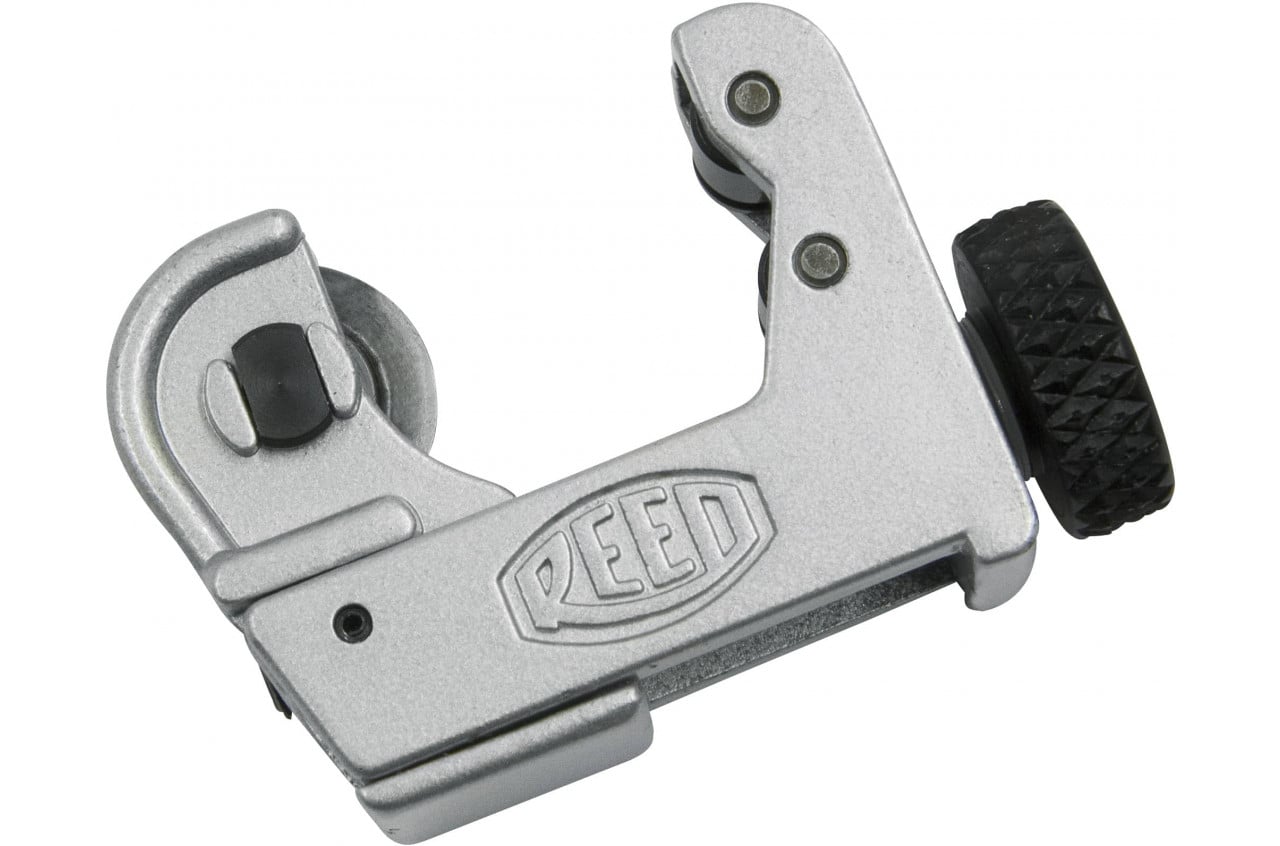
- MCC — compact pipe cutters, rebar cutters, ratchet shears, and tight-clearance hand tools for service work. The MCC midget cutter line covers spots where larger Reed cutters won't fit.
- Triple R — supporting accessories and consumables across pipe-trades work. Triple R rounds out the everyday parts side of professional pipe tools service trucks.
- Signet — industrial-grade hand tools and accessories that cross from the Hand Tools section into pipe trades work. Signet sets and tools are used by pipe fitters and waterworks crews who need ANSI and DIN-spec gear.
- Bernzomatic and Pro Torch — propane and MAP-Pro torch heads, fuel cylinders, and torch accessories for soldering and copper service work. The everyday heat sources on a plumbing truck.
- ToolTech and General Pipe Cleaners — supporting hand tools and accessories that complement the heavier waterworks tools loadout. General Pipe Cleaners AutoCut copper cutters cover tight-clearance stub-out work where Reed cutters won't reach.
How to Choose the Right Pipe or Waterworks Tool
A few questions to work through before you order, especially for municipal work, where the wrong tool can fail a job inspection.
- Does the work need to meet AWWA spec? If you're working on public water or gas systems, valve keys, drilling and tapping equipment, and shut-off tools usually need to meet AWWA, CSA, or provincial standards. Manufacturer product documentation will state which standards a tool is approved for or sized to fit. Check it before ordering for a municipal account.
- What's the pipe made of? PE and HDPE need PE-specific squeeze-off tools and peelers. Copper needs flaring and rerounding tools made for copper. Cast iron and large sewer mains need guillotine or rotary cutters rated for the material. Using the wrong tool damages the pipe and the tool.
- How often will the tool get used? For one-off repairs, manual threaders, hand-driven valve keys, and basic test pumps cover the job. For crews running threads all shift or pressure-testing new mains weekly, electric power-drive equipment and electric valve operators pay for themselves in operator hours.
- Is the warranty good for crew use? Reed tools carry a manufacturer's lifetime warranty under normal use. Trumbull, OEM Ltd, and Super Ego all warranty their professional lines. For volume orders, the warranty terms tell you whether a tool is built for daily crew work or just light service.
Buy Pipe and Waterworks Tools Online from Cleanflow
Cleanflow ships across Canada from Winnipeg. Free shipping on orders over $199. Most orders go out within 1-2 business days.
What's listed online is a working subset of what Cleanflow can source. As an authorized distributor, the team has full access to the Reed, Trumbull, OEM Ltd, Super Ego, and Cherne catalogs, including replacement parts, larger electric equipment, configurations for specific AWWA-standard hardware, and special-order items not stocked on the standard product grid.
If you don't see what you need, send the SKU. Most special-order requests get a quote and ETA back within one business day. Call 1-866-335-1078 or email info@cleanflow.ca
Frequently Asked Questions
What's the difference between a pipe wrench and an adjustable wrench?
A pipe wrench has serrated jaws that grip and bite into round pipe; an adjustable wrench has smooth parallel jaws for nuts and bolts. The pipe wrench is the right tool for turning threaded pipe and pipe fittings on iron, steel, or galvanized pipe. The adjustable wrench is for fasteners. Pipe wrenches are stocked here; adjustable wrenches are part of the Hand Tools range.
What are the different types of pipe wrenches?
The main types are straight, offset, end, chain, compound-leverage, and strap. Straight pipe wrenches are the all-purpose pick for most plumbing and waterworks tool work. Offset and end wrenches reach pipes close to walls or in tight spaces. Chain wrenches grip large or irregular pipe where jaw geometry won't work. Compound-leverage wrenches break seized joints. Strap wrenches grip plastic and polished metal without scratching. Sizes are usually given by handle length, from 9 inches up to 60 inches.
What size pipe wrench do I need?
Match wrench length to pipe diameter. As a rough guide: a 10-inch wrench handles up to 1" pipe, 14-inch up to 1-1/2", 18-inch up to 2-1/2", 24-inch up to 3", 36-inch up to 5", and 48-inch and above for waterworks-scale pipe. Using too short a wrench loses leverage and can slip; using one that's too long for the pipe can crack fittings. Most professional pipe tools loadouts carry at least two sizes for the working range.
What's the difference between a hand threader and a power drive?
A hand threader uses a manual ratchet to turn the die head around the pipe. It is lightweight, portable, and the right call for occasional threading or pipe up to 2" in diameter. A power drive turns the die head with an electric motor and is faster, less physically demanding, and the right call for production threading or larger pipe sizes. The full Pipe Threading range covers hand threaders and ratchet threaders; Power Drive units cover the electric side.
What's the difference between manual, electric, and pneumatic hydrostatic test pumps?
Manual hand pumps are portable, inexpensive, and the right pick for occasional pressure testing or small-volume work. Electric hydrostatic test pumps generate higher pressure and flow rates, are quieter, and handle production testing on new mains and service lines. Pneumatic pumps run on shop air, are portable, and don't need an electrical source. Most waterworks contractors carry at least one electric and one hand pump.
What does the AWWA spec mean for pipe and waterworks tools?
AWWA stands for the American Water Works Association. AWWA spec means the tool, fitting, or piece of equipment meets the standards published by AWWA for use on public water and wastewater infrastructure. Municipal procurement teams across Canada and the U.S. require AWWA compliance on valve keys, drilling and tapping equipment, fire hydrants, and other waterworks tools used on public systems. For specific tools, check the manufacturer's product documentation to confirm which AWWA standards the equipment meets or what AWWA-standard hardware it's sized to fit.
What is a PE squeeze-off tool used for?
PE squeeze-off tools temporarily stop flow on polyethylene service lines without excavation by mechanically squeezing the pipe shut between two bars. They're used by water and gas utility crews for repair work where shutting off the main isn't practical. Cleanflow stocks Reed PE squeeze-off tools across 1/2" to 4" pipe sizes. Squeeze-off must follow the manufacturer's pipe and time specifications to avoid damaging the line.
Can crews place bulk or net-terms orders for pipe and waterworks tools?
Yes. Cleanflow regularly supplies utility, municipal, and contractor accounts with bulk procurement and net-terms billing. Free shipping on orders over $199 across Canada. For account setup, contact info@cleanflow.ca or call 1-866-335-1078.
Do you stock pipe inspection cameras and locating equipment?
Yes, sewer and drain inspection cameras, magnetic locators, and utility locating equipment are part of the Pipe Inspection and Locators range. Forbest, Schonstedt, and General Pipe Cleaners brands cover diagnosing blockages, locating buried utilities, and pinpointing pressurized water leaks.