

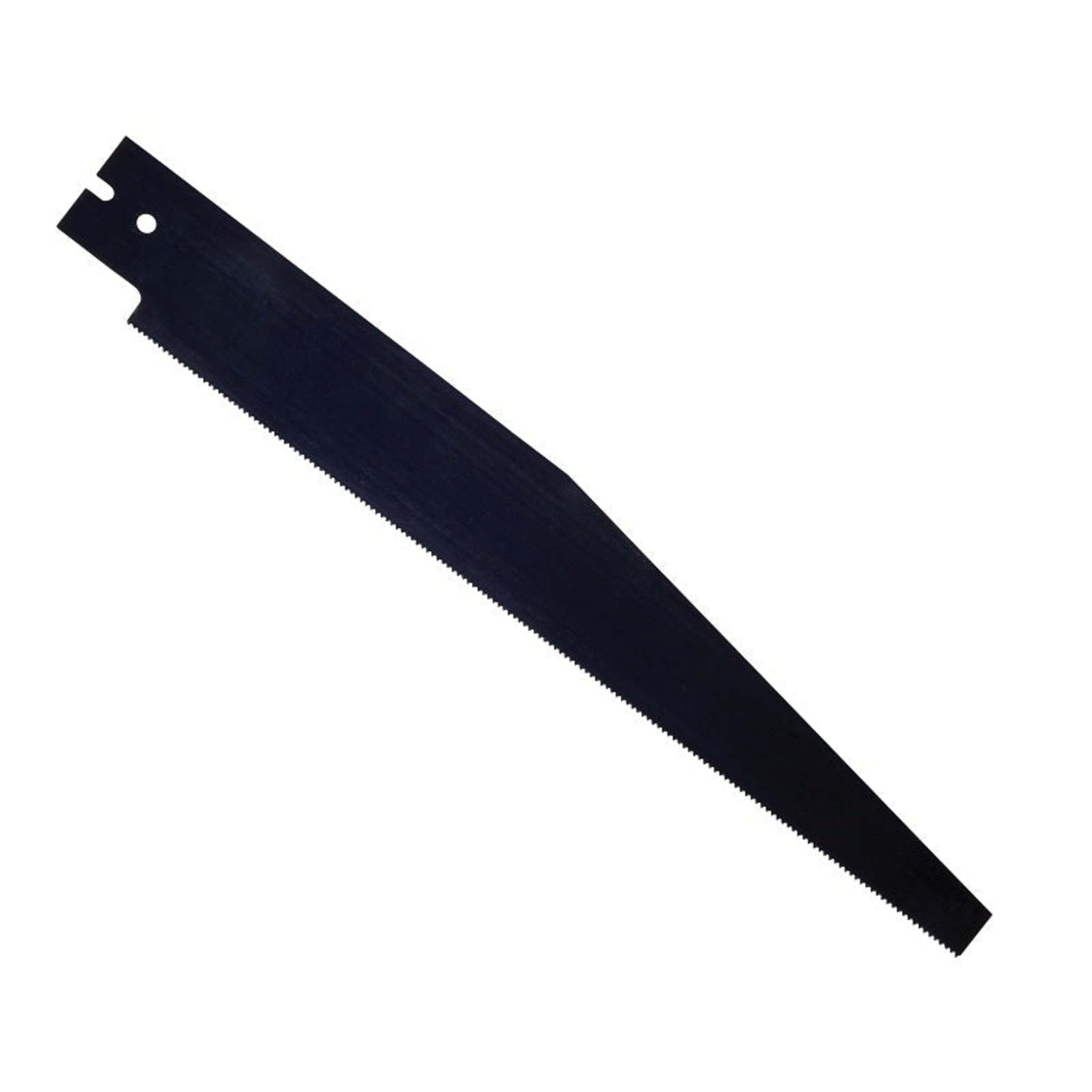


Description
Plastic Pipe Saw with Die-Cast Handle and Replaceable Blade | Cuts PVC, ABS, PE, PEX
Product Overview
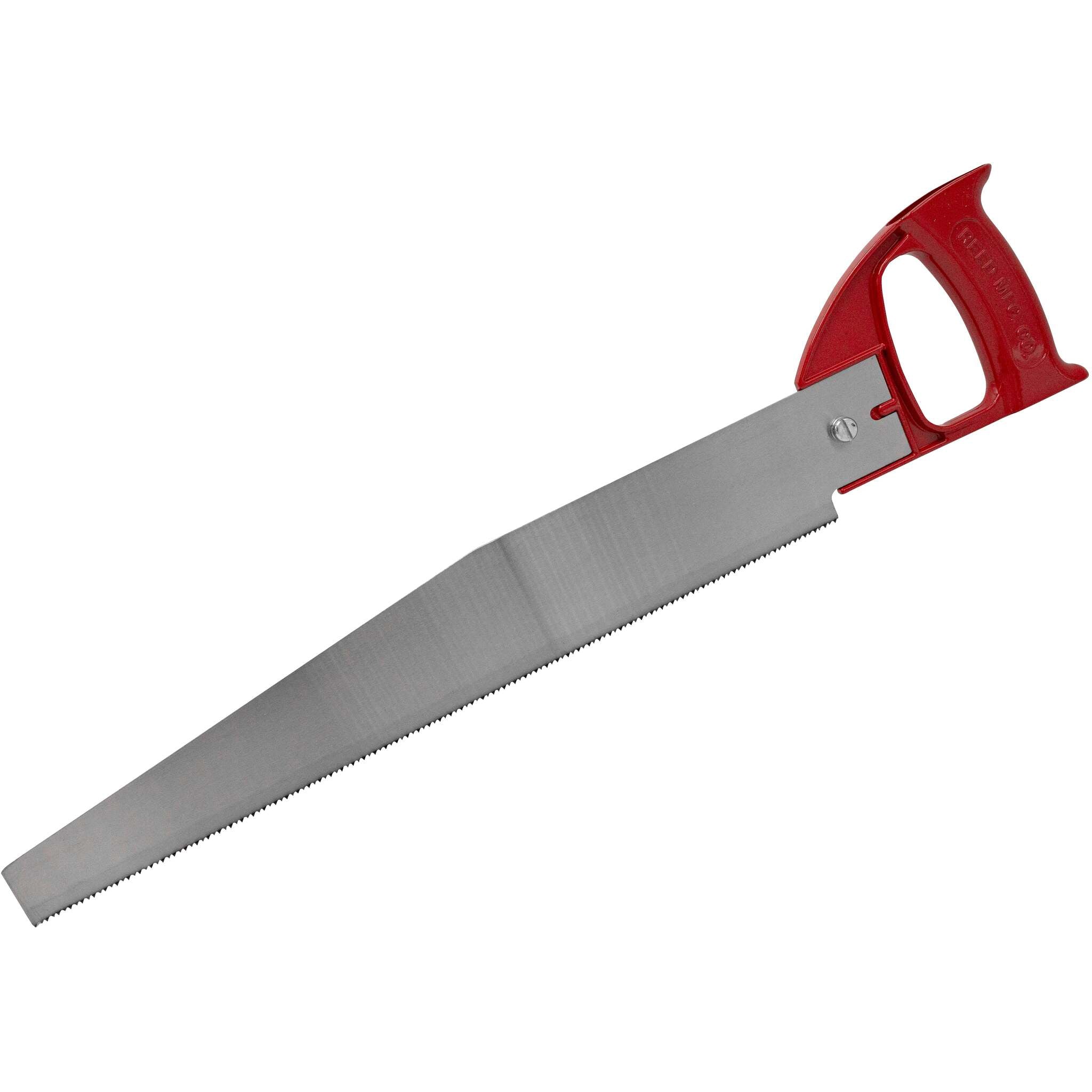
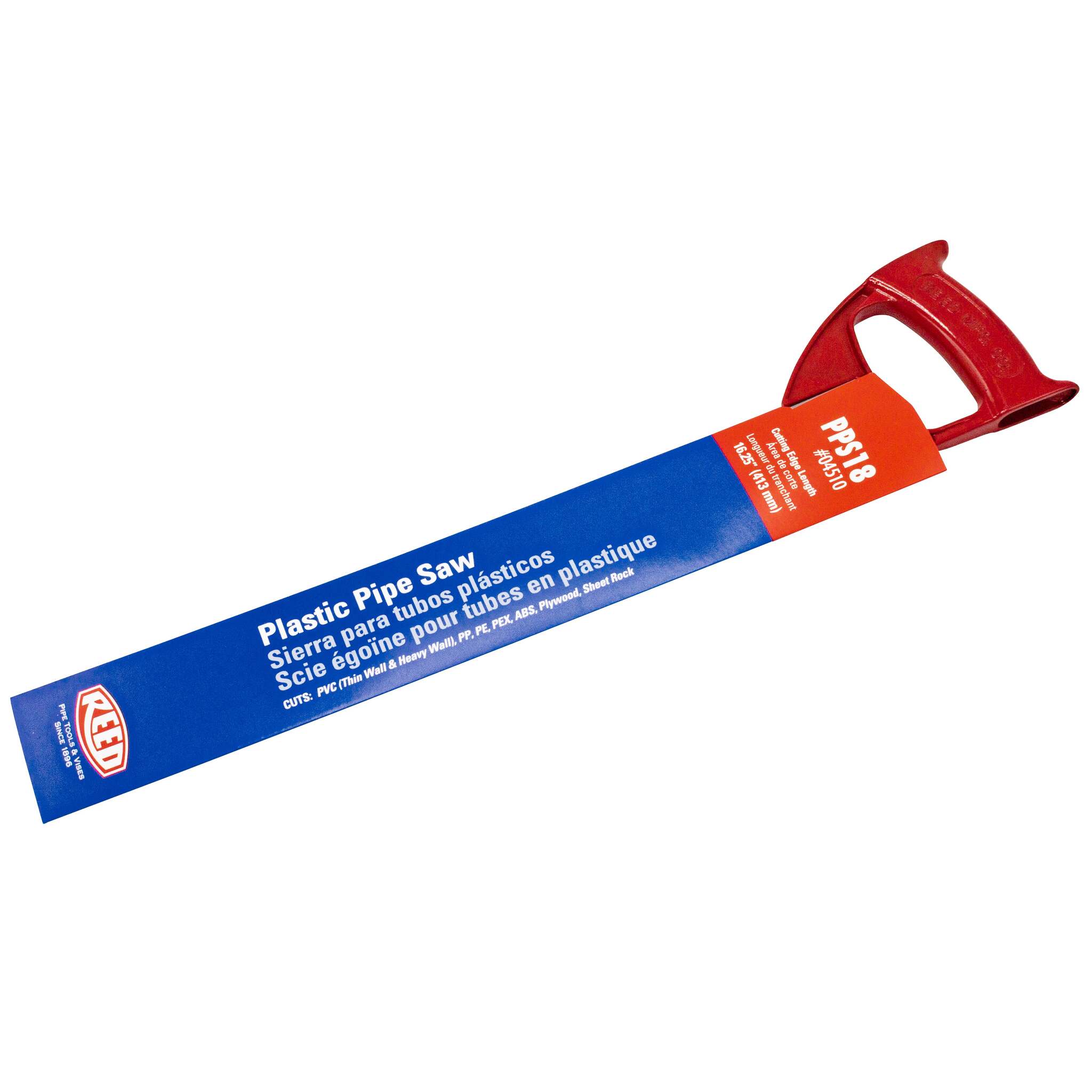
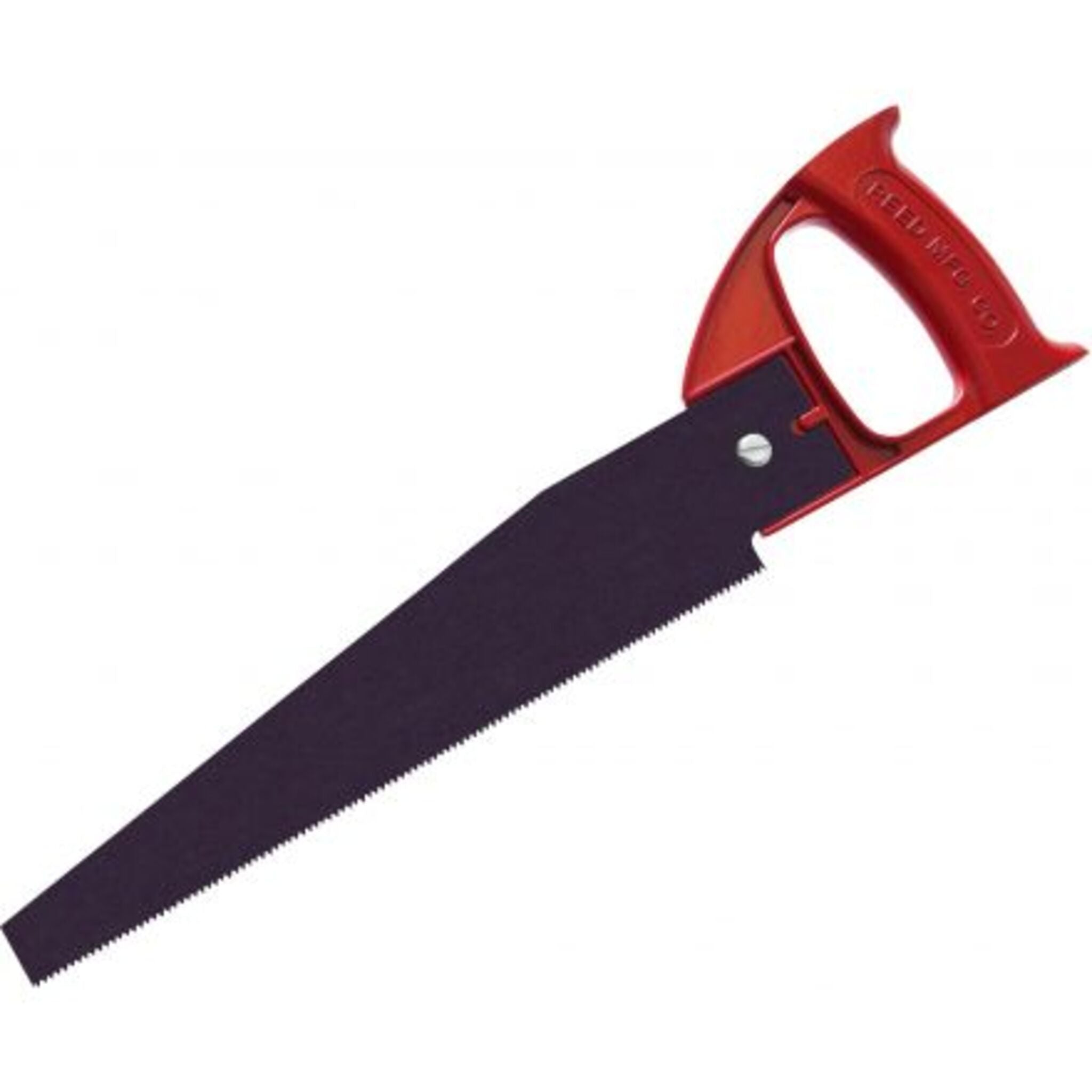
The Reed PPS12 and PPS18 are low-profile plastic pipe saws with die-cast handles and tooth geometry designed for plastic pipe. Both cut PVC (Sch. 40, Sch. 80, C900), ABS, PE, PEX, and PP on the forward stroke. The PPS12 handles pipe up to 3" OD, the PPS18 up to 4" OD. Replacement blades available.
Quick Specs
- Models: PPS12 (3" OD capacity), PPS18 (4" OD capacity)
- Materials Cut: PVC (Thin Wall, Heavy Wall, Sch. 40, Sch. 80, C900), PP, PE, PEX, ABS, plywood, sheet rock
- Cutting Action: Forward stroke
- Handle: Die-cast with tool-free blade change
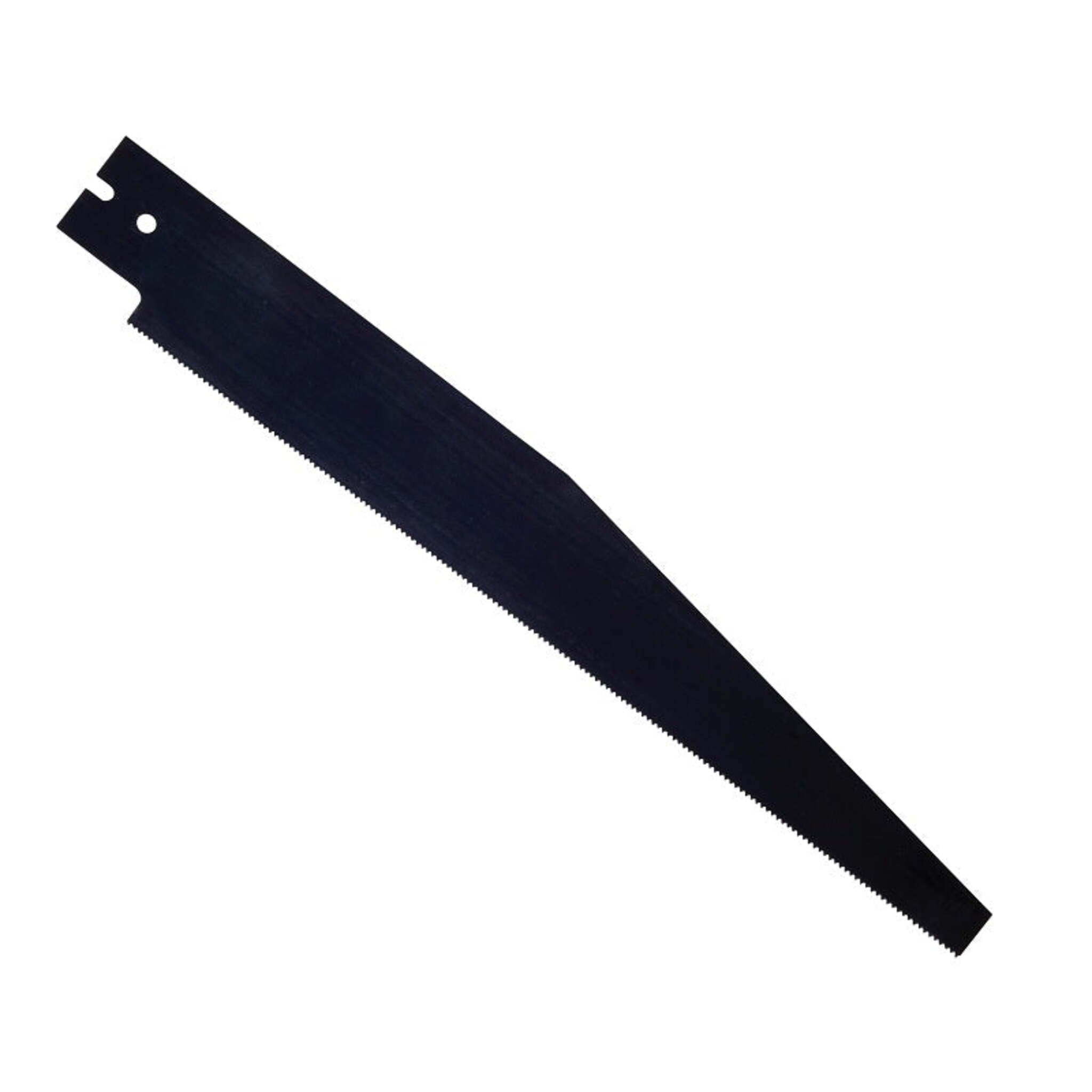
- Replacement Blades: PPS12B (Item 94512), PPS18B (Item 94510)
Specifications
| Model | Item Code | Pipe Capacity | Cutting Edge | Overall Length | Weight |
|---|---|---|---|---|---|
| PPS12 | 04512 | 3" (75 mm) OD | 11" (279 mm) | 17" (432 mm) | 0.6 lbs (0.3 kg) |
| PPS18 | 04510 | 4" (100 mm) OD | 16.25" (413 mm) | 22" (559 mm) | 0.7 lbs (0.3 kg) |
Replacement Blade Specifications
| Blade Model | Item Code | Cutting Edge | Blade Length | Fits Saw |
|---|---|---|---|---|
| PPS12B | 94512 | 11" (279 mm) | 13" (330 mm) | PPS12 |
| PPS18B | 94510 | 16.25" (413 mm) | 18" (457 mm) | PPS18 |
Key Features
- Tooth geometry designed for plastic pipe. PVC is abrasive and dulls standard wood saw blades quickly. The Reed plastic pipe saw uses a tooth pattern, set, and hardness optimized for plastic materials, delivering cleaner cuts with longer blade life than a general-purpose saw. This plastic pipe hand saw also cuts plywood and sheet-rock.
- Die-cast handle with tool-free blade change. The die-cast handle is a defining feature of the low-profile PPS12 and PPS18. Blade replacement requires no additional tools. When a blade dulls, swap in a PPS12B or PPS18B replacement blade and continue cutting. This plastic pipe cutting tool pays for itself over time through blade replacement rather than full saw replacement.
- Forward stroke cutting action. Both models cut on the forward (push) stroke. This gives the operator more control and cutting force compared to pull-stroke designs. The forward stroke action is the natural pushing motion most operators are accustomed to.
- Cuts C900 heavy-wall PVC. Both the PPS12 and PPS18 handle C900 pressure-rated PVC pipe used in municipal water mains and distribution systems. Most competing PVC pipe saws do not list C900 capability.
- Low-profile design. The PPS12 is compact enough to fit in a standard toolbox, making it practical for service calls and tight work areas. The PPS18 is a standard field-size saw for larger jobs.
PPS12 vs PPS18: Which Size Do You Need?
The PPS12 and PPS18 share the same die-cast handle design and tooth geometry. The difference is blade length and pipe capacity.
| Feature | PPS12 | PPS18 |
|---|---|---|
| Max Pipe OD | 3" (75 mm) | 4" (100 mm) |
| Cutting Edge | 11" (279 mm) | 16.25" (413 mm) |
| Overall Length | 17" (432 mm) | 22" (559 mm) |
| Best For | Residential PVC up to 3". Compact, fits in a toolbox. | Commercial and municipal PVC up to 4". Standard field size. |
For pipe larger than 4" OD, see the Reed Ergonomic Plastic Pipe Saws (PPS20/PPS24), which handle pipe up to 6" and 8" OD, respectively.
How to Cut PVC Pipe with a Plastic Pipe Saw
- Measure and mark the cut line around the full circumference of the pipe. Use a marker and a straight edge or wrap-around guide for accuracy.
- Secure the pipe in a vise, pipe clamp, or miter box. The pipe must not roll or shift during cutting.
- Place the blade on the mark and start the cut with light forward strokes to establish a groove.
- Once the groove is established, use full-length forward strokes. Let the blade do the cutting. Do not force or twist the saw.
- Keep the blade aligned with the mark on both sides of the pipe. Rotate slightly if the cut begins to drift.
- After completing the cut, use a deburring tool to remove all burrs from the inside and outside of the pipe end. Burrs can restrict flow and weaken solvent-welded joints.
This procedure applies to PVC, ABS, PE, PEX, and PP pipe cut with any Reed plastic pipe hand saw.
Applications
Each Reed plastic pipe saw in the low profile line serves as a PVC pipe saw and ABS pipe saw across residential, commercial, and municipal work.
- PVC drain, waste, and vent (DWV) installation and repair
- ABS DWV systems in residential and commercial buildings
- C900 heavy-wall PVC water main and distribution pipe
- Schedule 40 and Schedule 80 PVC pressure pipe
- PE, PEX, and PP pipe for gas, water, and radiant heating
- PVC conduit for electrical installations
- Plywood and sheet rock (secondary use)
What You Need
Pair your Reed plastic pipe saw with these companion tools from Cleanflow:
- Reed DEB1 Deburring Tools for Plastic Pipe - removes inside and outside burrs after cutting. Required for proper solvent-welded and gasketed joints.
- Reed Ergonomic Plastic Pipe Saws (PPS20/PPS24) - for pipe larger than 4" OD, up to 6" and 8". Ergonomic handles with 11 TPI chatter-free blades.
- Reed Bevel Boss Cordless Pipe Beveler - bevels PVC, CPVC, and ABS pipe ends for gasketed joint assembly. For 2" and larger pipe.
- Reed RS7290 Ratchet Shears - one-handed ratchet shears for PE, PP, PEX, and ABS pipe up to 2". For smaller pipe where a saw is not needed.
Buy Reed Plastic Pipe Saws Online from Cleanflow
Cleanflow Utility Supply Company is an authorized Reed dealer serving customers across Canada and the United States. Free shipping on orders over $199, with a 30-day return policy. Both the PPS12 and PPS18 are in stock and ready to ship.
Browse the full hand saws collection for related products. See our complete selection of Reed pipe tools and pipe tools.
Frequently Asked Questions
How do you cut PVC pipe with a hand saw?
Mark the cut line around the pipe circumference, secure the pipe so it cannot roll, and cut with full forward strokes using a PVC hand saw. Do not force the blade. After cutting, deburr the inside and outside edges. A plastic pipe saw with teeth designed for PVC cuts faster and lasts longer than a wood saw or hacksaw on the same material.
What is the best saw for cutting plastic pipe?
A dedicated plastic pipe saw with tooth geometry optimized for PVC and ABS. PVC is abrasive and dulls general-purpose saw blades quickly. Each Reed plastic pipe saw in the PPS line uses a tooth pattern, set, and hardness designed specifically for plastic, including heavy-wall C900 PVC. Replaceable blades (PPS12B, PPS18B) make them cost-effective over time.
How do you cut PVC pipe straight?
Mark the cut line around the full circumference using a wrap-around guide or a square held against the pipe. Secure the pipe in a miter box or vise. Start with light strokes to establish a groove on the mark, then use full forward strokes. Keep the blade aligned with the mark on both visible sides. A miter box provides the most consistent results for cutting PVC pipe straight.
Is a plastic pipe saw better than a hacksaw for PVC?
Yes. A plastic pipe saw vs hacksaw comparison: both cut PVC, but a hacksaw blade is designed for metal and dulls faster on abrasive PVC. A dedicated plastic pipe saw has teeth optimized for plastic, cutting faster with less effort and producing cleaner edges. The blade also lasts significantly longer. A hacksaw works in a pinch, but a purpose-built PVC pipe saw is the better tool for regular plastic pipe work.
Can you use a regular saw to cut PVC pipe?
You can use a regular saw to cut PVC pipe, but it is not ideal. PVC is more abrasive than wood and will dull a standard wood saw blade faster than expected. Regular saws also tend to produce rougher cuts with more burring on plastic pipe. A plastic pipe saw like the Reed PPS12 or PPS18 has tooth geometry specifically designed for plastic materials, delivering cleaner cuts and longer blade life.
How-To Articles

Similar Products
Featured collection


