

Categories
- Shop All (4532)
-
-
- Hi-Vis Chainsaw Safety (14)
- Hi-Vis Coveralls and Overalls (10)
- Hi-Vis Hoodies and Shirts (25)
- Hi-Vis Jackets (30)
- Hi-Vis Pants (14)
- Hi-Vis Rain Wear (29)
- Hi-Vis Vests (34)
- Winter Hi-Vis Bombers and Parkas (17)
- Winter Hi-Vis Coveralls and Overalls (18)
- Winter Hi-Vis Hoodies (3)
- Winter Hi-Vis Pants (3)
- Winter Hi-Vis Vests (5)
-
-
-
-
- Brooms (2)
- Dust Mops (0)
- Dust Pans and Brushes (4)
- Flow Thru Tools (2)
- Microfiber Mops (0)
- Pool and Tank Tools (2)
- Scrubbers and Scrapers (1)
- Soap and Sanitizer Dispensers (0)
- Sprayers (1)
- Squeegees (1)
- Toilet Brushes and Plungers (3)
- Trash Cans & Bags (8)
- Wet Floor Signs (0)
- Wet Mops and Buckets (4)
-
- Bars and Prying Tools (21)
- Bolt Cutters and Shears (16)
- Chisels and Punches (9)
- Combination Hand Tool Sets (12)
- Extractors (13)
- Files (6)
- Gear Pullers (0)
- Hammers and Mallets (10)
- Hand Saws (16)
- Hex Keys (11)
- Layout and Distance Lasers (1)
- Marking Tools (0)
- Measuring Tools (10)
- Pliers (52)
- Precision Measuring and Testing Tools (24)
- Propane Torches (5)
- Screwdrivers and Nutdrivers (19)
- Sockets (65)
- Tap and Die Sets (11)
- Tool Boxes (26)
- Utility Knives (8)
- VDE Tools (6)
- Wire Cutters and Strippers (14)
- Wrenches (22)
-
- Beveling and Deburring (16)
- Curb and Valve Keys (20)
- Drilling and Tapping (13)
- Extended Impact Sockets (3)
- Flaring and Rerounding (7)
- General Pipe Working Tools (19)
- Guillotine Pipe Cutters (2)
- Hydrostatic Test Pumps (14)
- Internal Pipe Cutters (6)
- Manhole Testing (4)
- PE Peelers (9)
- Pipe Reamers (4)
- Pipe Threading (17)
- Pipe Wrenches (24)
- Plastic Pipe Joint Kits (4)
- Plastic Pipe Saws (5)
- Power Drive (13)
- Quick Release Cutters (13)
- Ratchet Shears (9)
- Ratcheting Wrenches (12)
- Rotary Cutters (3)
- Shut Off Tools (9)
- Soldering Torches (3)
- Vises (7)
-
- Angle Grinders (6)
- Batteries and Chargers (18)
- Bench Grinders (7)
- Circular Saws (3)
- Combo Tool Kits (10)
- Cordless Fans (6)
- Cordless Lighting (15)
- Cut Off Saws (4)
- Drills and Drivers (8)
- Grease Guns (3)
- Impact Drivers (5)
- Jobsite Radios and Speakers (8)
- Lifestyle (6)
- Mitre Saws (2)
- Reciprocating Saws (4)
-
- Angle Grinder Wheels and Brushes (21)
- Bench Grinder Wheels (7)
- Circular Saw Blades (11)
- Drill and Driver Bits (25)
- High Speed Gas Saw Blades (3)
- Holesaws (11)
- Impact Sockets (25)
- Jig Saw Blades (2)
- Oscillating Multi Tool Blades (1)
- Portable Chop Saw Blades (4)
- Power Tool Storage (5)
- Reciprocating Saw Blades (8)
-
-
-
-
- Air Fresheners (0)
- All Purpose Cleaners (19)
- Bowl and Washroom (8)
- Coffee and Breakroom (19)
- Degreasers (3)
- Dishwashing (4)
- Disinfectants and Sanitizers (1)
- Drain Openers (7)
- Hand Cleaners (8)
- Laundry Cleaners (6)
- Paper Products and Wiper Rags (17)
- Scale Removers (4)
- Urinal Pucks and Liquids (6)
- Wet Wipes (2)
-
-
- Ball Valves (10)
- Black and Galvanized Steel Fittings (0)
- Bronze Pipe Fittings and Nipples (13)
- Butterfly Valves (3)
- Check Valves (17)
- Flexible Connectors (4)
- Gate and Globe Valves (3)
- Knife Gate Valves (9)
- Pipe Fitting Accessories (4)
- Schedule 80 PVC Fittings (27)
- Stainless Steel Fittings and Valves (23)
- Victaulic Grooved Fittings (22)


Hydrostatic Test Pumps
14 products
Showing 1 - 14 of 14 products


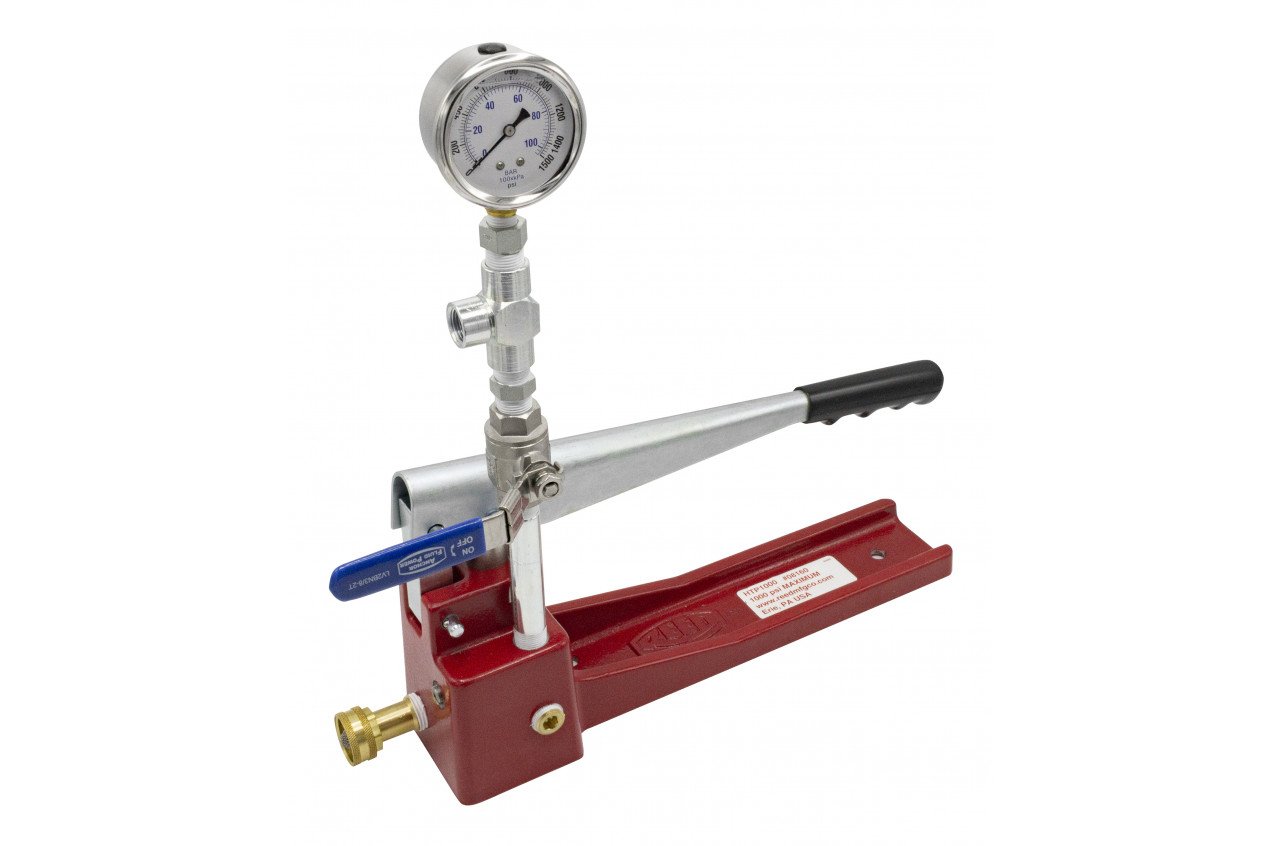


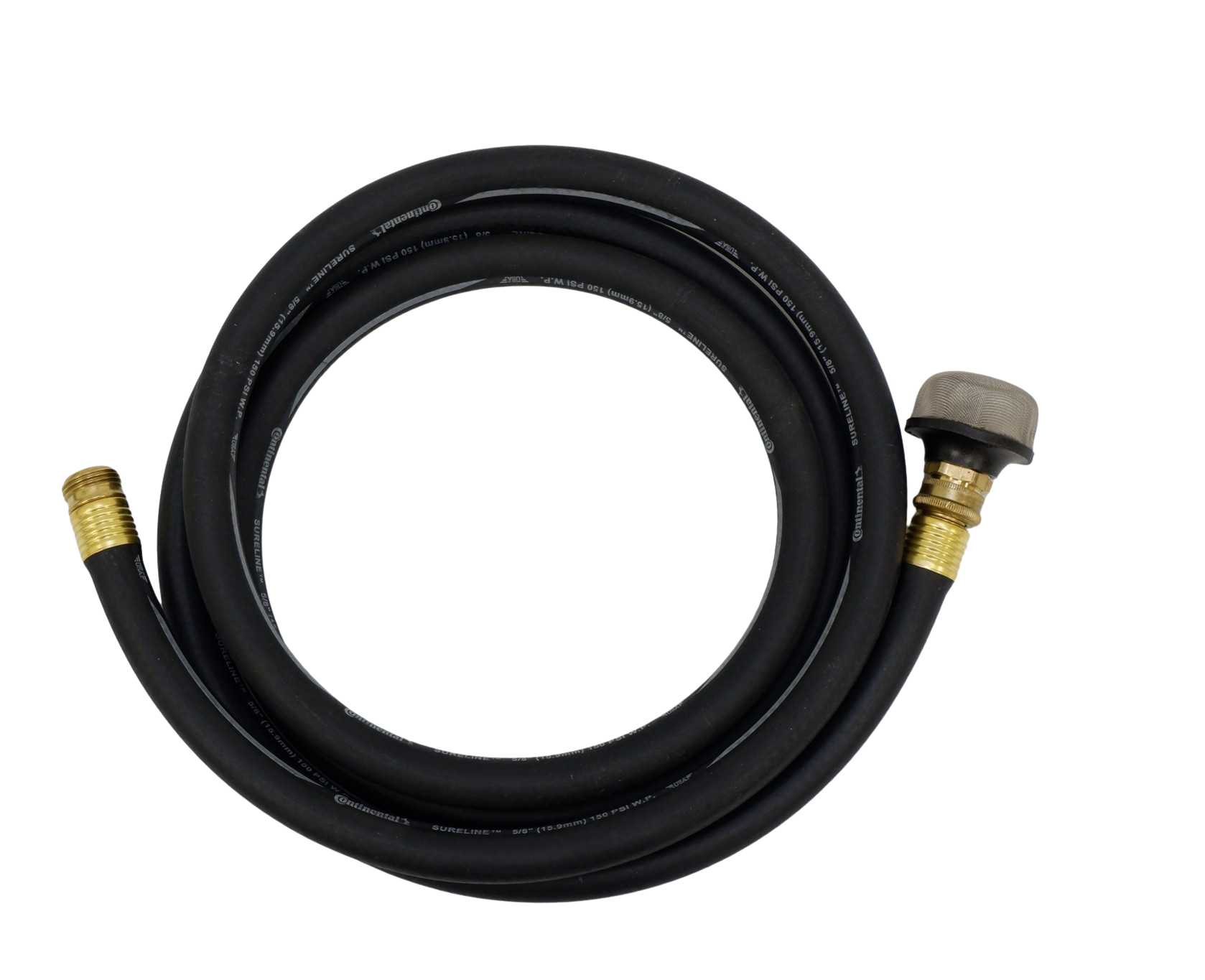
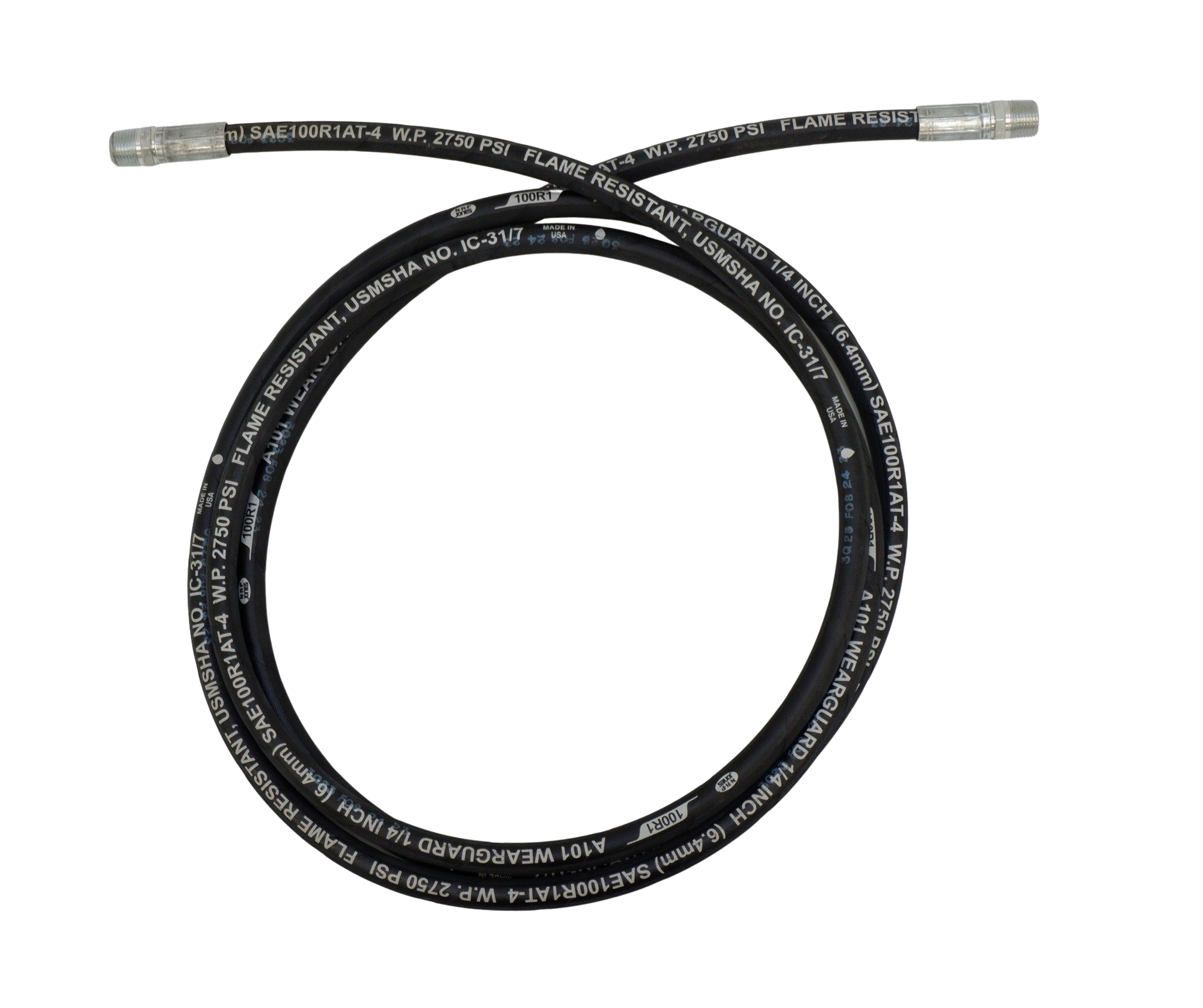
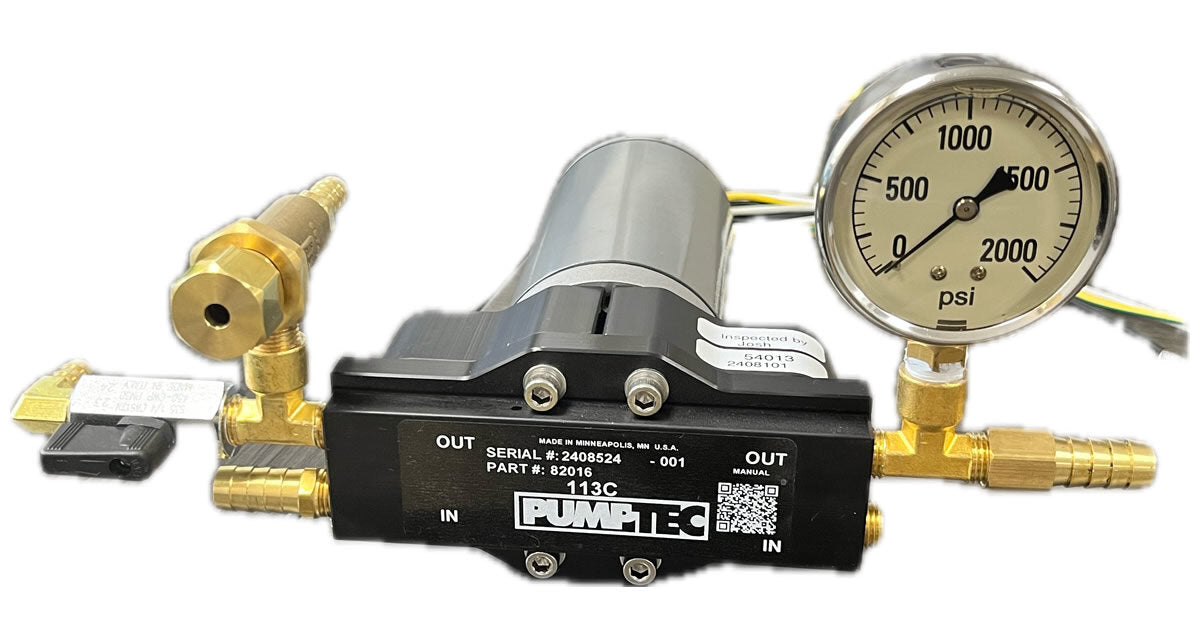


Professional Hydrostatic Test Pumps for System Integrity Testing
A hydrostatic test pump applies controlled water pressure to a closed system plumbing lines, fire sprinkler systems, pressure vessels, or buried water and sewer mains so a contractor or inspector can verify the system holds pressure without leaks before it goes into service. Hydrostatic pressure testing is the code-required method for most new installations (referenced in ASME B31, AWWA C600, and NFPA 13) because it's the only way to prove a system will actually handle its rated operating pressure.
Cleanflow stocks hydrostatic test pumps from REED, Triple R, and Cherne manual, electric, drill-powered, and engine-driven models covering 300 PSI service lines up to 1,000 PSI fire protection and industrial systems. Every pump ships from our Winnipeg warehouse across Canada, with free shipping on orders over $199.
What Is a Hydrostatic Test Pump?
A hydrostatic pressure testing pump applies controlled hydraulic pressure to a system filled with water, allowing professionals to perform accurate leak detection and confirm safe operating limits. These pumps are widely used for testing:
- plumbing and water systems
- fire sprinkler systems
- pressure vessels and pipelines
- municipal water and sewer lines
From compact, portable tools to high-capacity infrastructure equipment, our hydrostatic test pumps support a wide range of PSI ratings, flow rates, and applications.
Trusted Brands for Hydrostatic Test Pumps
REED Hydrostatic Test Pumps
REED is a long-established manufacturer known for professional-grade pipe and pressure testing tools. Their lineup includes electric, manual, and drill-powered hydrostatic test pump options, along with compatible hoses and accessories for complete system testing.
Explore the selection of REED pumps, including the reliable electric test pump designed for plumbing lines, water systems, and fire sprinkler systems.
Triple R Hydrostatic Test Pumps
Triple R specializes in precision electric hydrostatic pressure testing pumps built for controlled diagnostics and maintenance work. Their compact electric models are known for accurate pressure regulation and user-friendly operation.
Popular options include the HT-89A for lighter-duty testing and the higher-flow HT454 for more demanding applications.
Browse all Triple R pumps to find the right electric solution.
Cherne Hydrostatic Test Pumps
Cherne focuses on high-capacity testing equipment for waterworks and underground infrastructure. Their engine-driven diaphragm pumps are built for durability, safety, and sustained testing on large systems.
Discover Cherne pumps designed specifically for hydrostatic test pumps for water lines and sewer applications.
Common Applications
Hydrostatic test pumps are used across many industries to verify system safety and performance:
- Plumbing pressure test pump applications for residential and commercial buildings
- Hydrostatic test pump for fire sprinkler systems and standpipes
- Pipe pressure testing pump solutions for pipelines and pressure vessels
- Water and sewer line testing in municipal and utility projects
Choosing the Right Hydrostatic Test Pump
Pump selection comes down to three factors: the test pressure required, the system volume, and how the pump will be powered on the jobsite. Match your application below:
| Application | Pressure Range | Power Type | Recommended Pump |
|---|---|---|---|
| Residential plumbing / small service lines | Up to 300 PSI | Manual | REED HTP300 Manual Hydrostatic Test Pump |
| Service-line or small commercial testing, no mains power | Up to 500 PSI | Drill-powered | REED DPHTP500 Drill Powered Hydrostatic Test Pump |
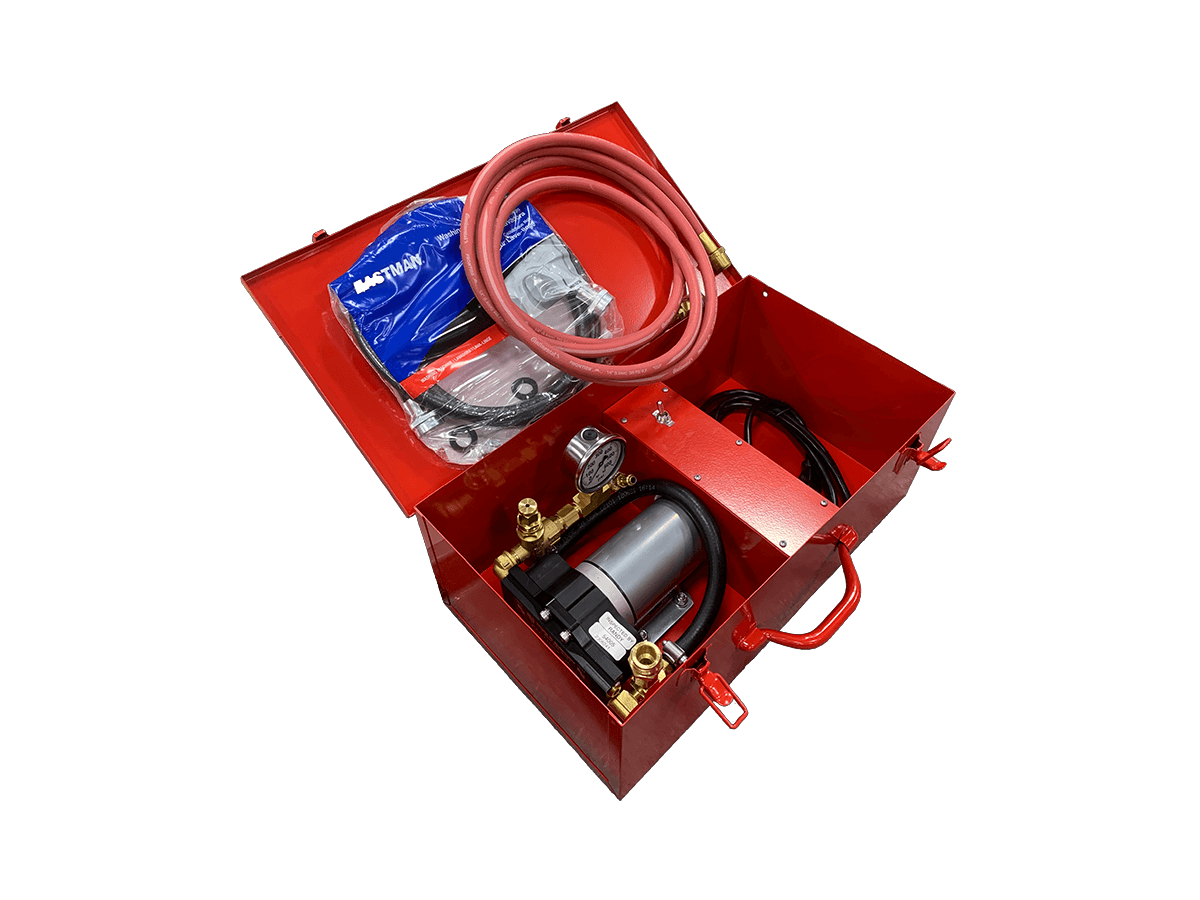
| Commercial plumbing, fire sprinkler acceptance testing | Up to 500 PSI | Electric (115V) | REED EHTP500 / EHTP500C Electric Hydrostatic Test Pumps |
| Light-duty controlled-pressure testing | 300 PSI, 3 GPM | Electric (115V) | Triple R HT-89A Compact Electric Test Pump |
| Higher-flow commercial testing | 400 PSI, 4.5 GPM | Electric (115V) | Triple R HT454 Electric Test Pump with Metal Case |
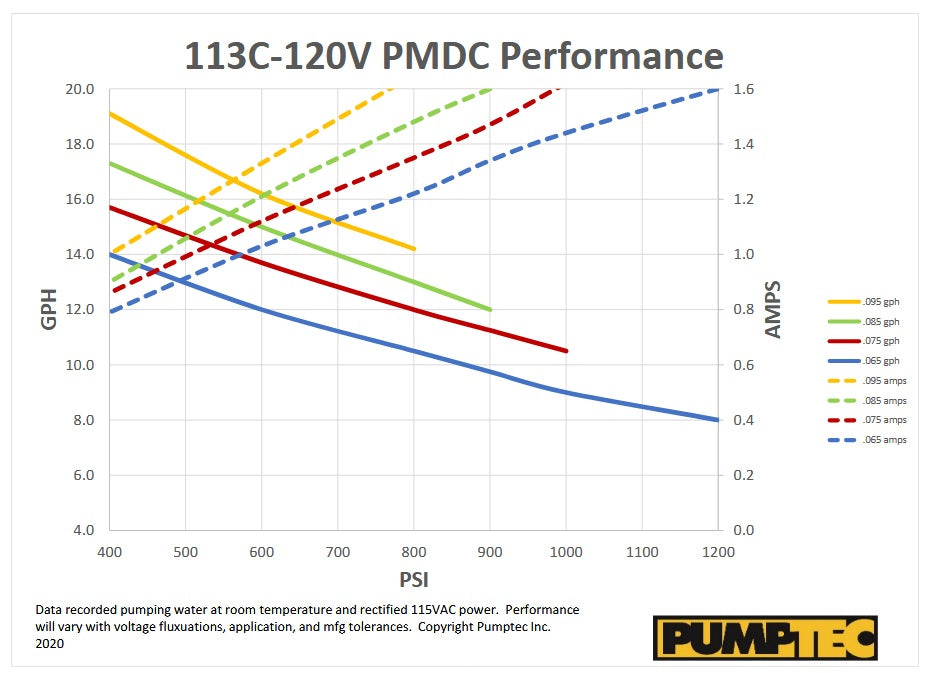
| High-pressure industrial / process piping | Up to 1,000 PSI | Manual or electric | REED HTP1000 (manual) or Triple R HT113 (electric, stainless & ceramic) |
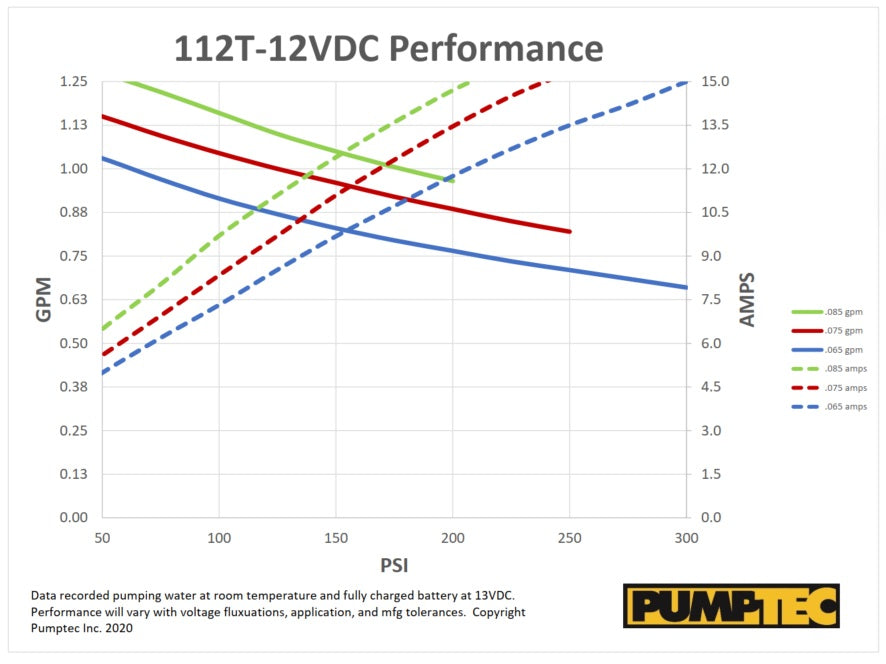
| Field testing, no AC power available | Up to 250 PSI | 12V DC (battery) | Triple R Tru-Test 12VDC Portable Pressure Tester |
| Municipal water/sewer mains, long pipelines | Up to 550 PSI, 9.5 GPM | Gas engine (Honda) | Cherne Aqua-Loc Diaphragm Test Pump |
Not sure which pump fits your application? Call us toll-free at 1-866-335-1078 — we'll ask about test pressure, system volume, and power access, and match the right pump from the REED, Triple R, or Cherne lineup.
How to Perform a Hydrostatic Pressure Test
The procedure below is the general hydrostatic testing workflow referenced across ASME B31, AWWA C600, and NFPA 13. Specific test pressures, hold durations, and allowable pressure loss vary by code and application — always check the governing code for your project before testing.
1. Isolate and prepare the system
Close all valves bounding the test section. Isolate rotary equipment (pumps, compressors, turbines) and any components not rated for the test pressure. Open all high-point air vents. Install a calibrated pressure gauge at the system's high point with increments appropriate to the test (typically 2 PSI or finer for accuracy).
2. Fill the system with water
Fill slowly from the lowest point to allow air to escape through the high-point vents. Rapid fills trap air pockets that will compress under pressure and cause inaccurate gauge readings. Once water flows steadily from all vents with no air bubbles, close the vents.
3. Raise pressure in stages
Using the hydrostatic test pump, raise system pressure to approximately 50% of the target test pressure. Inspect visible joints for leaks. Continue raising in roughly 10% increments until the target test pressure is reached. ASME B31.3 specifies the test pressure as 1.5 × the system's design pressure at ambient temperature (different formulas apply for elevated-temperature systems).
4. Hold and observe
Hold the test pressure for the code-specified duration. ASME B31 requires a minimum 10-minute hold; AWWA C600 typically specifies a 2-hour hold for water mains with allowable pressure loss defined by pipe diameter and test section length; NFPA 13 requires a 2-hour hold for fire sprinkler systems with no pressure loss allowed. Watch the gauge and inspect every accessible joint, valve, and fitting.
5. Document and depressurize
Record the test date, system identification, test fluid, applied pressure, hold duration, observed pressure loss (if any), and the inspector's certification of results. Bleed pressure slowly through a controlled discharge — never vent pressurized water into an occupied space. If the test fails, isolate the leak, repair, refill, and retest from the beginning.
Safety note: Never substitute air for water in a hydrostatic test unless the governing code explicitly permits it. Compressed air stores dramatically more energy than water at the same pressure, and a failure during an air-pressure test can cause catastrophic injury. AWWA and ASME both recommend water testing for this reason.
Why Buy Hydrostatic Test Pumps from Cleanflow?
Cleanflow supplies professional-grade hydrostatic test pumps trusted by contractors, utilities, and inspectors working in water, wastewater, plumbing, and infrastructure environments. Every pump we carry is selected for real jobsite performance, not theoretical specs.
When you buy from Cleanflow, you get:
- Proven professional brands used in plumbing, fire protection, and utility testing
- Pumps matched to real applications, PSI ratings, and flow requirements
- Clear specifications that make pump selection fast and accurate
- Durable equipment built for consistent pressure testing and long service life
Whether you need a pipe pressure testing pump for plumbing lines or a high-capacity pump for municipal systems, Cleanflow delivers the right equipment to test safely, accurately, and with confidence.
FAQs
What are hydrostatic test pumps used for?
Hydrostatic test pumps are used to pressure test pipes, plumbing systems, pipelines, and pressure vessels by filling them with water and applying controlled pressure. This process verifies system integrity, detects leaks, and confirms that equipment can safely withstand the required operating pressure.
How do I calculate the correct test pressure for my system?
For most piping systems under ASME B31.1 (power piping) and B31.3 (process piping), the hydrostatic test pressure is 1.5 times the system's maximum design pressure, held for at least 10 minutes. For water mains under AWWA C600, test pressure is typically specified by the project engineer but generally runs 1.5× operating pressure. Fire sprinkler systems under NFPA 13 are tested at 200 PSI or 50 PSI above system working pressure (whichever is greater), held for 2 hours. Always check the governing code for your specific project — municipal specifications, provincial building codes, and insurance requirements can set more stringent values.
What is the lifespan of a hydrostatic test pump?
The lifespan of a hydrostatic test pump depends on pump type, usage frequency, and maintenance. With proper care, professional-grade hydrostatic test pumps can last many years, especially when used within rated PSI limits and maintained with clean water, proper storage, and routine seal inspections.
What is the difference between hydraulic and hydrostatic testing?
Hydraulic" refers broadly to systems that use pressurized fluid (often oil) to transmit power, like hydraulic jacks, presses, and actuators. "Hydrostatic" refers specifically to pressurized water held at rest, which is why hydrostatic testing uses water as the test medium. The two terms overlap because both involve pressurized fluid, but they're not interchangeable. Hydrostatic testing is a specific procedure for verifying system integrity; hydraulic systems are a class of machines that use fluid pressure to do work.
Can hydrostatic test pumps be used for fire sprinkler systems?
Yes. Hydrostatic test pumps are commonly used to pressure test fire sprinkler systems and standpipes to ensure they meet code requirements and can operate safely during an emergency.
Do hydrostatic test pumps require electricity?
Not always. Hydrostatic test pumps are available in manual, electric, drill-powered, and engine-driven models. The best option depends on pressure requirements, flow rate, and jobsite access to power.
What PSI hydrostatic test pump do I need?
Your pump should exceed the required test pressure of the system. Common PSI ratings include 300 PSI, 500 PSI, and higher for industrial or utility applications.
Manual vs electric hydrostatic test pumps — which is better?
Manual pumps offer portability and simplicity, while electric pumps provide faster, more consistent pressure for frequent testing.
What industries commonly use hydrostatic test pumps?
Hydrostatic test pumps are commonly used in oil and gas, plumbing and construction, fire protection, manufacturing, power generation, aerospace, automotive, chemical and petrochemical processing, and environmental remediation. These industries rely on hydrostatic testing to verify system integrity, detect leaks