

Categories
- Shop All (4413)
-
-
- Hi-Vis Chainsaw Safety (14)
- Hi-Vis Coveralls and Overalls (11)
- Hi-Vis Hoodies and Shirts (33)
- Hi-Vis Jackets (34)
- Hi-Vis Pants (15)
- Hi-Vis Rain Wear (29)
- Hi-Vis Vests (39)
- Winter Hi-Vis Bombers and Parkas (19)
- Winter Hi-Vis Coveralls and Overalls (18)
- Winter Hi-Vis Hoodies (3)
- Winter Hi-Vis Pants (3)
- Winter Hi-Vis Vests (3)
-
-
-
-
- Brooms (3)
- Dust Mops (0)
- Dust Pans and Brushes (5)
- Flow Thru Tools (2)
- Microfiber Mops (0)
- Pool and Tank Tools (2)
- Scrubbers and Scrapers (1)
- Soap and Sanitizer Dispensers (0)
- Sprayers (0)
- Squeegees (1)
- Toilet Brushes and Plungers (3)
- Trash Cans & Bags (7)
- Wet Floor Signs (0)
- Wet Mops and Buckets (4)
-
- Bars and Prying Tools (21)
- Bolt Cutters and Shears (16)
- Chisels and Punches (9)
- Combination Hand Tool Sets (12)
- Extractors (13)
- Files (6)
- Gear Pullers (0)
- Hammers and Mallets (9)
- Hand Saws (8)
- Hex Keys (10)
- Layout and Distance Lasers (1)
- Marking Tools (0)
- Measuring Tools (9)
- Pliers (51)
- Precision Measuring and Testing Tools (24)
- Propane Torches (5)
- Screwdrivers and Nutdrivers (9)
- Sockets (65)
- Tap and Die Sets (11)
- Tool Boxes (26)
- Utility Knives (7)
- VDE Tools (6)
- Wire Cutters and Strippers (14)
- Wrenches (22)
-
- Beveling and Deburring (16)
- Curb and Valve Keys (20)
- Drilling and Tapping (13)
- Extended Impact Sockets (3)
- Flaring and Rerounding (5)
- General Pipe Working Tools (16)
- Guillotine Pipe Cutters (2)
- Hydrostatic Test Pumps (14)
- Internal Pipe Cutters (6)
- Manhole Testing (4)
- PE Peelers (9)
- Pipe Reamers (4)
- Pipe Threading (15)
- Pipe Wrenches (24)
- Plastic Pipe Joint Kits (4)
- Plastic Pipe Saws (5)
- Power Drive (13)
- Quick Release Cutters (13)
- Ratchet Shears (9)
- Ratcheting Wrenches (12)
- Rotary Cutters (3)
- Shut Off Tools (8)
- Soldering Torches (3)
- Vises (6)
-
- Angle Grinders (6)
- Batteries and Chargers (18)
- Bench Grinders (7)
- Circular Saws (3)
- Combo Tool Kits (10)
- Cordless Fans (6)
- Cordless Lighting (15)
- Cut Off Saws (4)
- Drills and Drivers (8)
- Grease Guns (3)
- Impact Drivers (6)
- Jobsite Radios and Speakers (8)
- Lifestyle (6)
- Mitre Saws (1)
- Reciprocating Saws (4)
-
- Angle Grinder Wheels and Brushes (21)
- Bench Grinder Wheels (6)
- Circular Saw Blades (11)
- Drill and Driver Bits (22)
- High Speed Gas Saw Blades (3)
- Holesaws (11)
- Impact Sockets (25)
- Jig Saw Blades (2)
- Oscillating Multi Tool Blades (1)
- Portable Chop Saw Blades (4)
- Power Tool Storage (5)
- Reciprocating Saw Blades (8)
-
-
-
-
- Air Fresheners (1)
- All Purpose Cleaners (22)
- Bowl and Washroom (9)
- Coffee and Breakroom (20)
- Degreasers (3)
- Dishwashing (4)
- Disinfectants and Sanitizers (1)
- Drain Openers (9)
- Hand Cleaners (4)
- Laundry Cleaners (6)
- Paper Products and Wiper Rags (17)
- Scale Removers (4)
- Urinal Pucks and Liquids (6)
- Wet Wipes (3)
-
-
- Ball Valves (10)
- Black and Galvanized Steel Fittings (0)
- Bronze Pipe Fittings and Nipples (13)
- Butterfly Valves (3)
- Check Valves (17)
- Flexible Connectors (4)
- Gate and Globe Valves (3)
- Knife Gate Valves (9)
- Pipe Fitting Accessories (4)
- Schedule 80 PVC Fittings (27)
- Stainless Steel Fittings and Valves (23)
- Victaulic Grooved Fittings (22)
-
Flexcon - Pressure Tanks
11 products
Showing 1 - 11 of 11 products


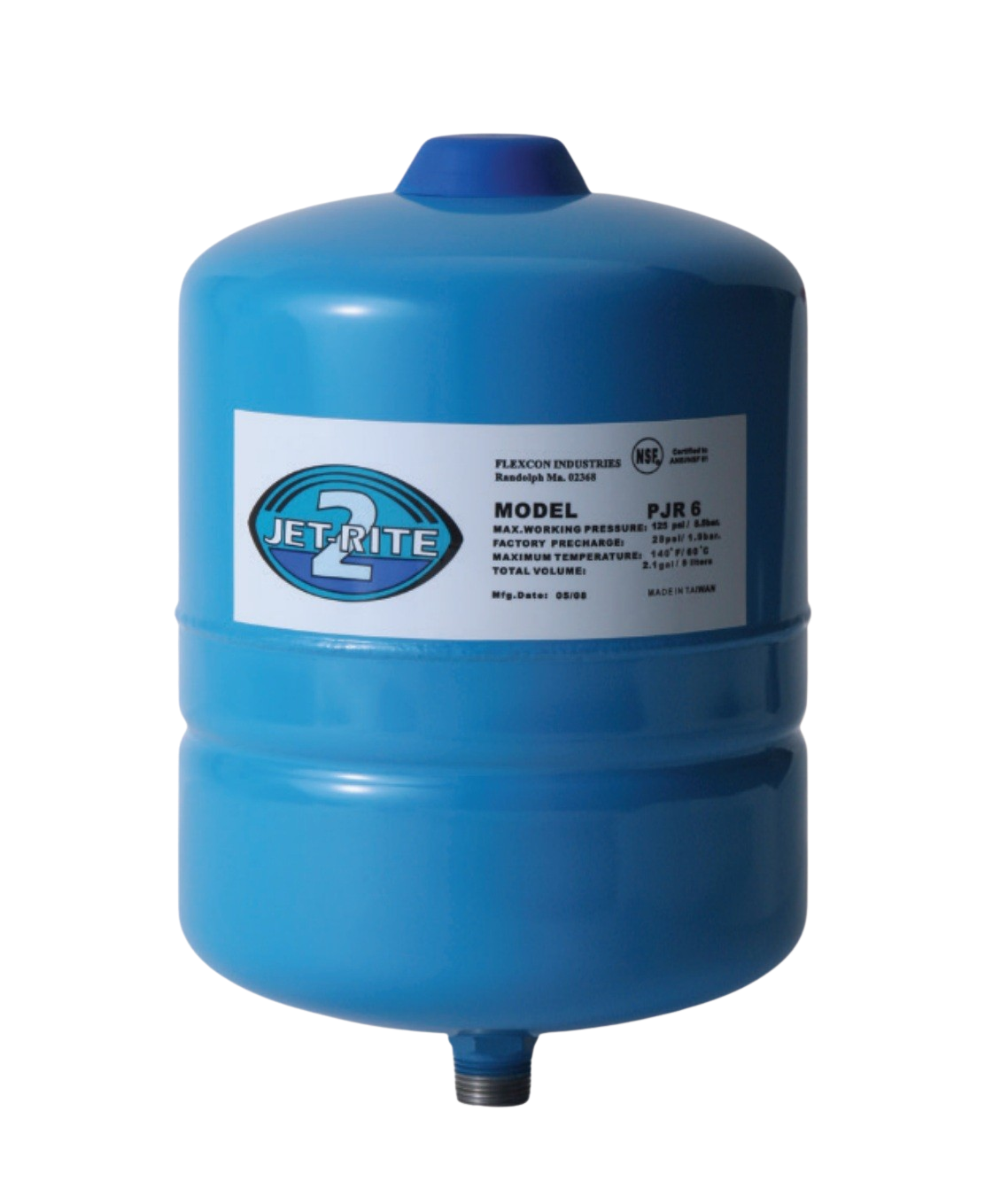
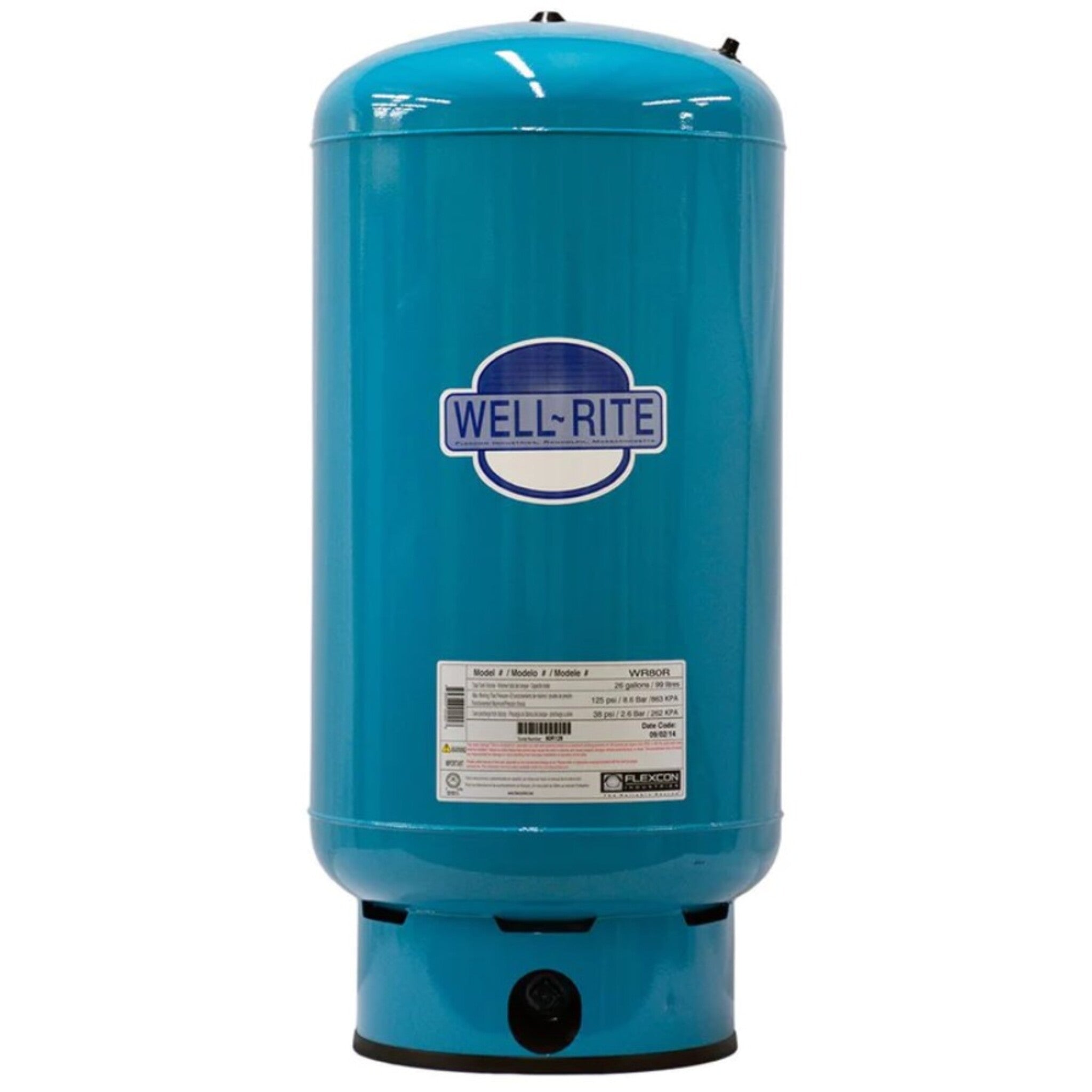
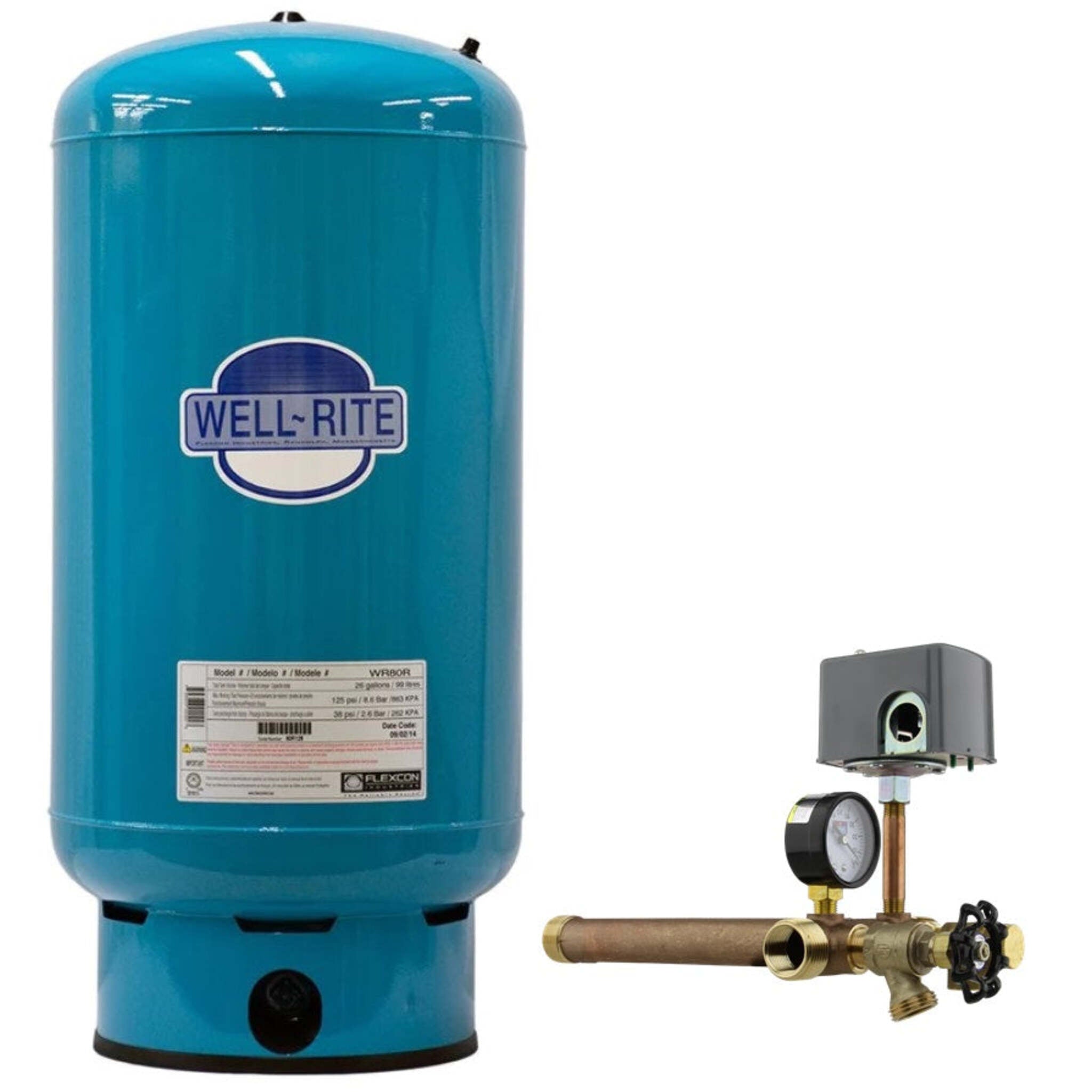
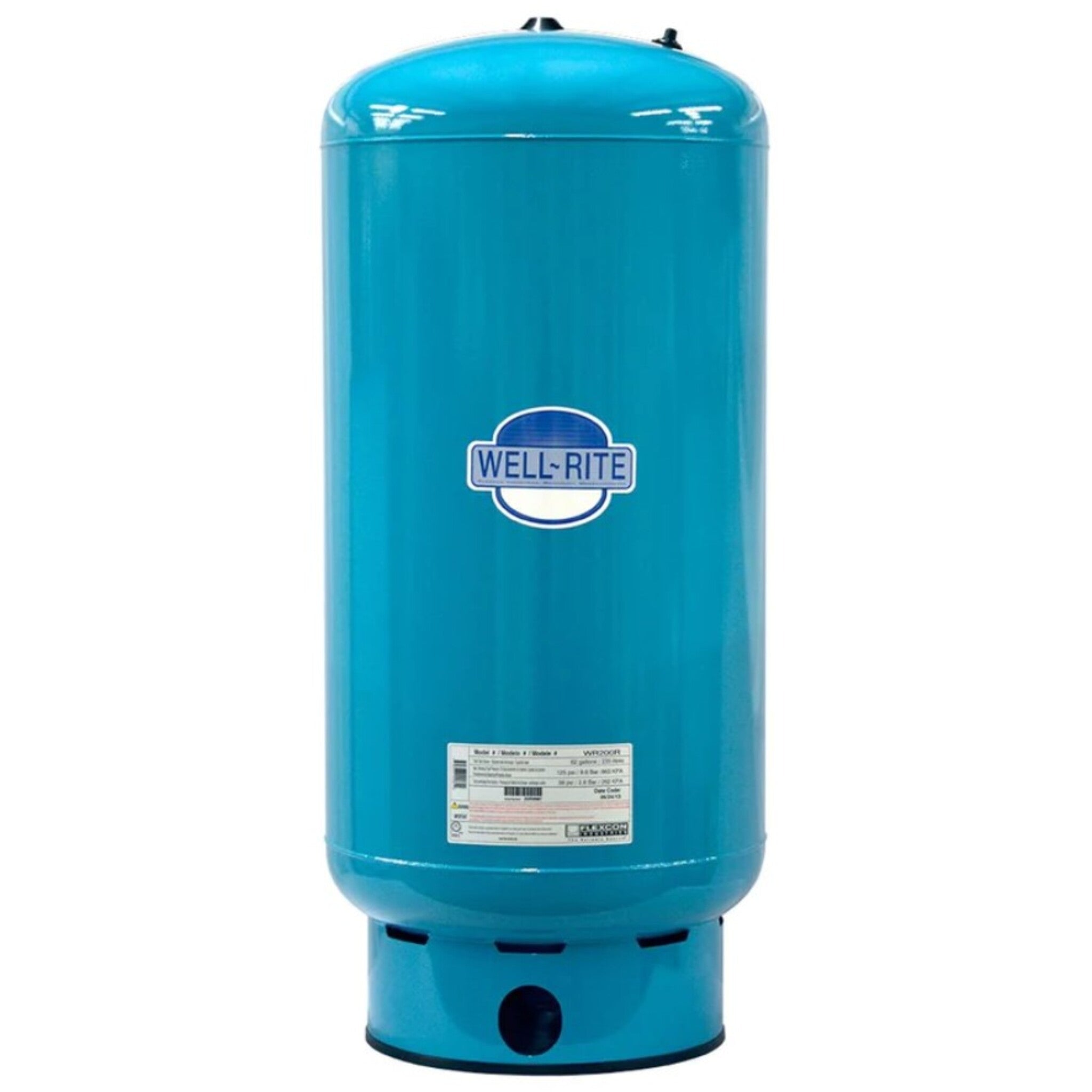
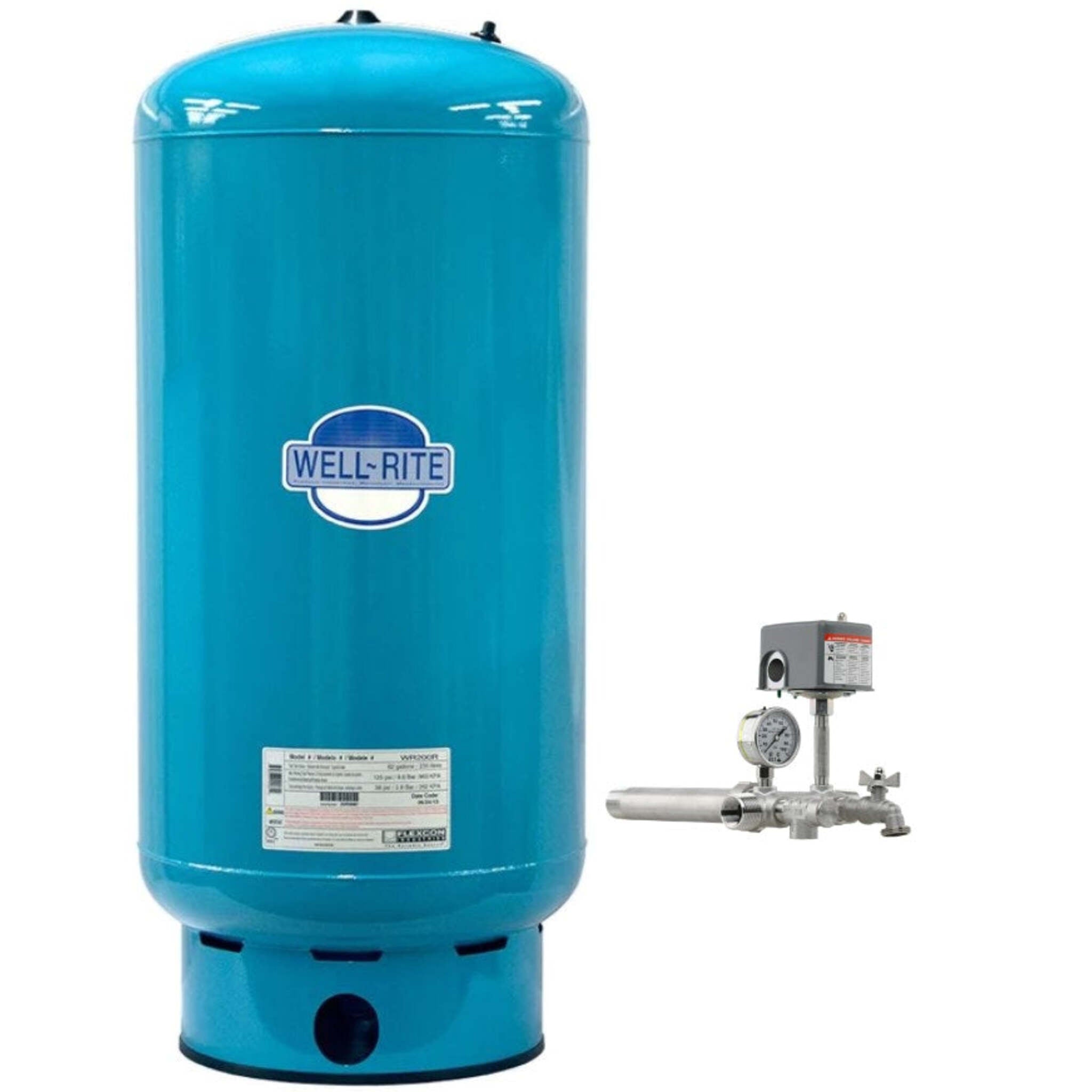
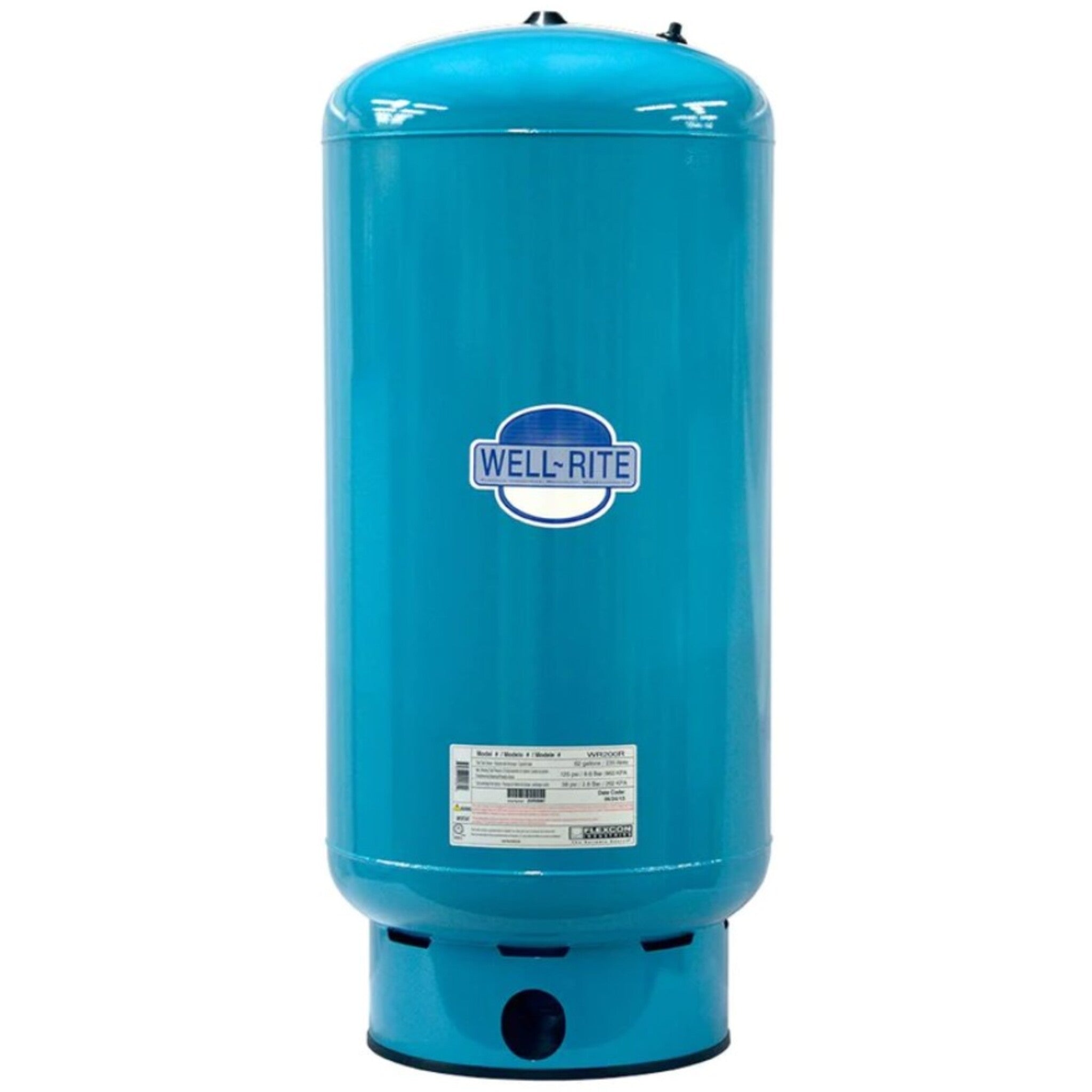
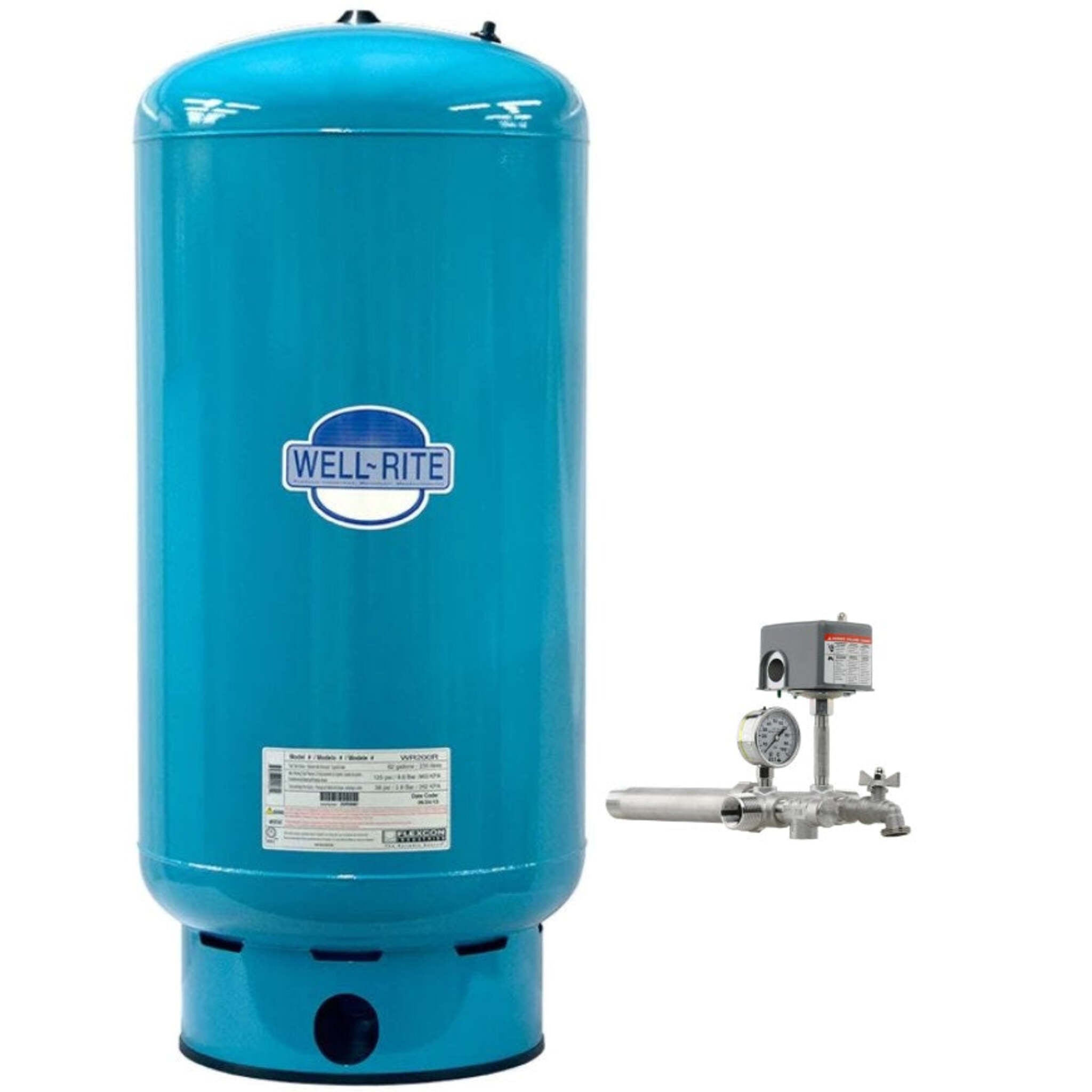

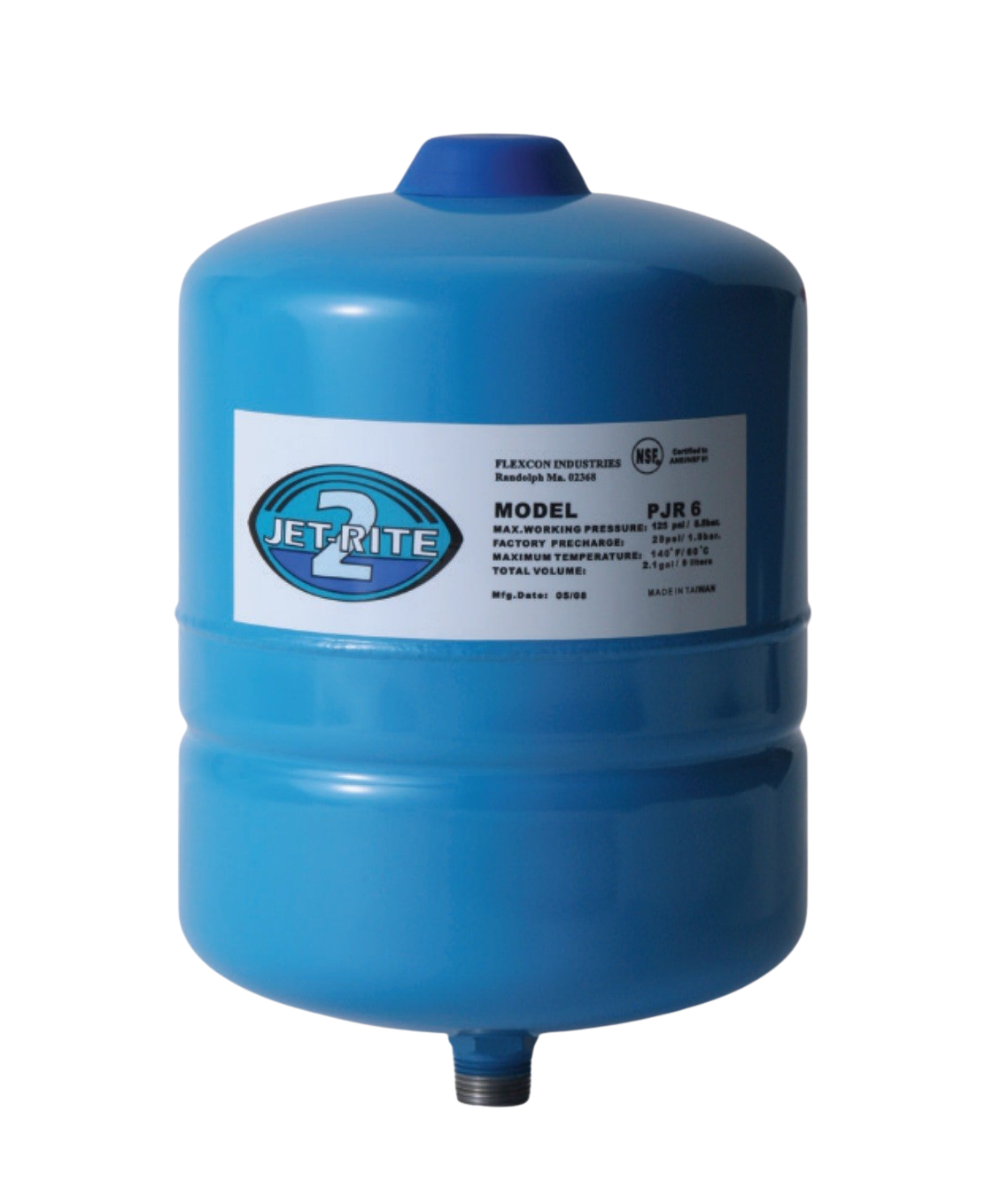
A Closer Look at Flexcon’s Pressure Tanks
Flexcon enhances water system performance with high-quality, pressure tanks engineered for durability and efficiency. Each tank features patented diaphragm technology and innovative anti-stagnation designs that ensure consistent pressure, reduce maintenance, and extend system lifespan. By placing a strong emphasis on quality, forward-thinking innovation, and user-focused engineering, Flexcon empower industry professionals to deliver superior reliability, maximize operational efficiency, and achieve long-term value across a wide range of residential, commercial, and industrial applications.
Why Choose Flexcon Pressure Tanks?
Flexcon Pressure Tanks are a top choice for water system efficiency due to their durable construction, advanced diaphragm design, and consistent performance. Engineered to reduce pump cycling and protect plumbing, these tanks extend the life of water pumps and ensure reliable water pressure. Made with corrosion-resistant materials and NSF-certified components, Flexcon tanks are ideal for both residential and commercial applications, offering dependable, maintenance-free operation. These pressure tanks are now available at our Canadian warehouse. Check them out below:
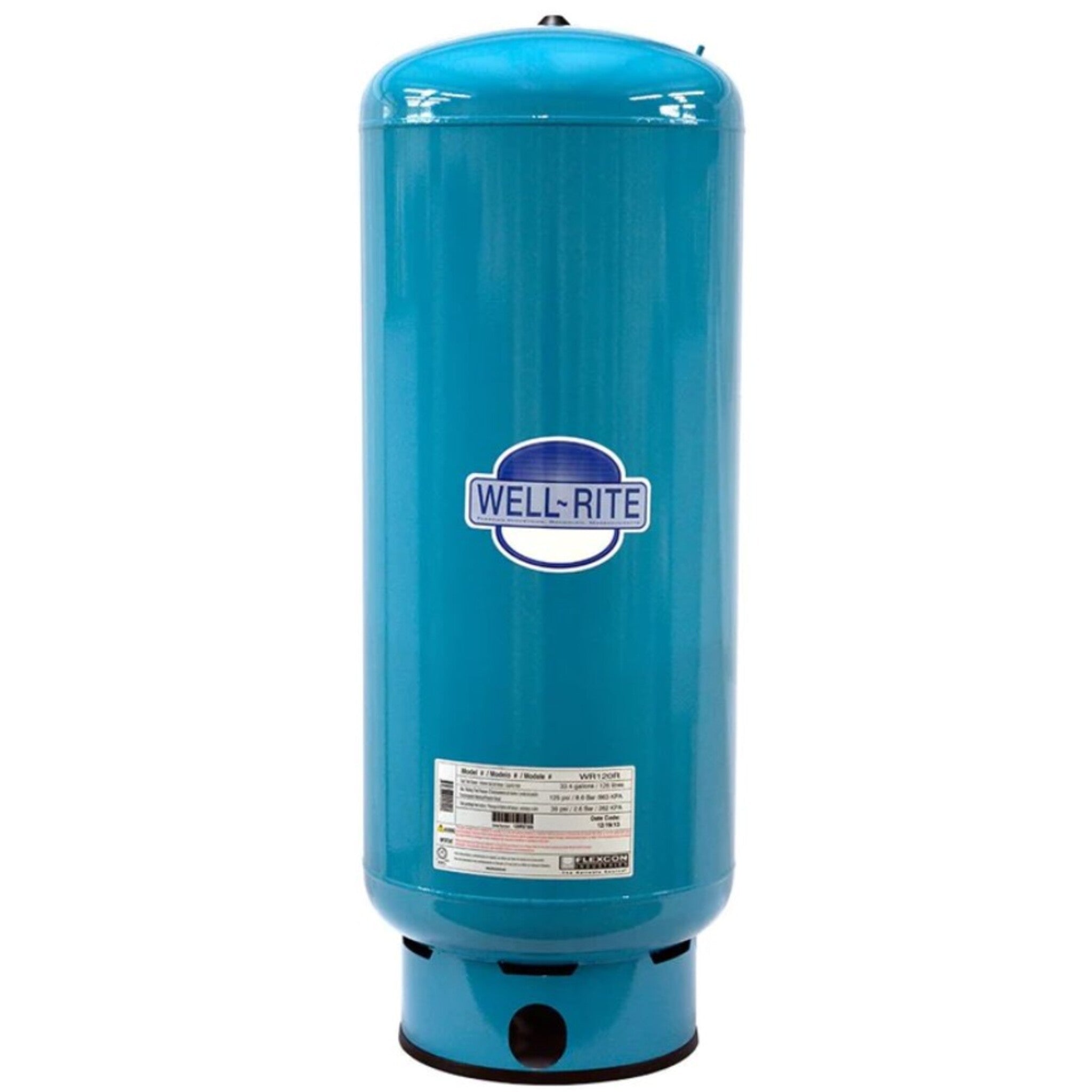
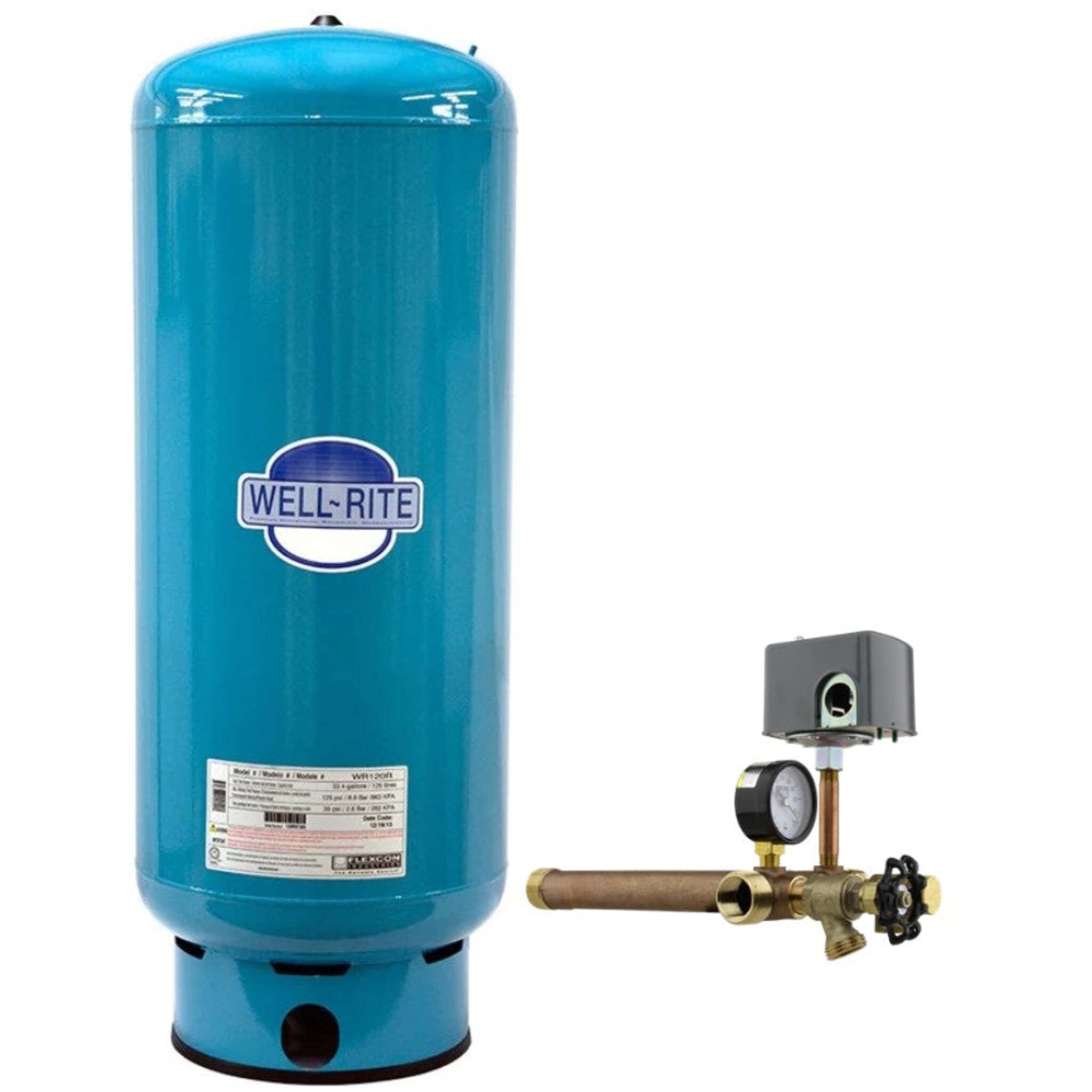
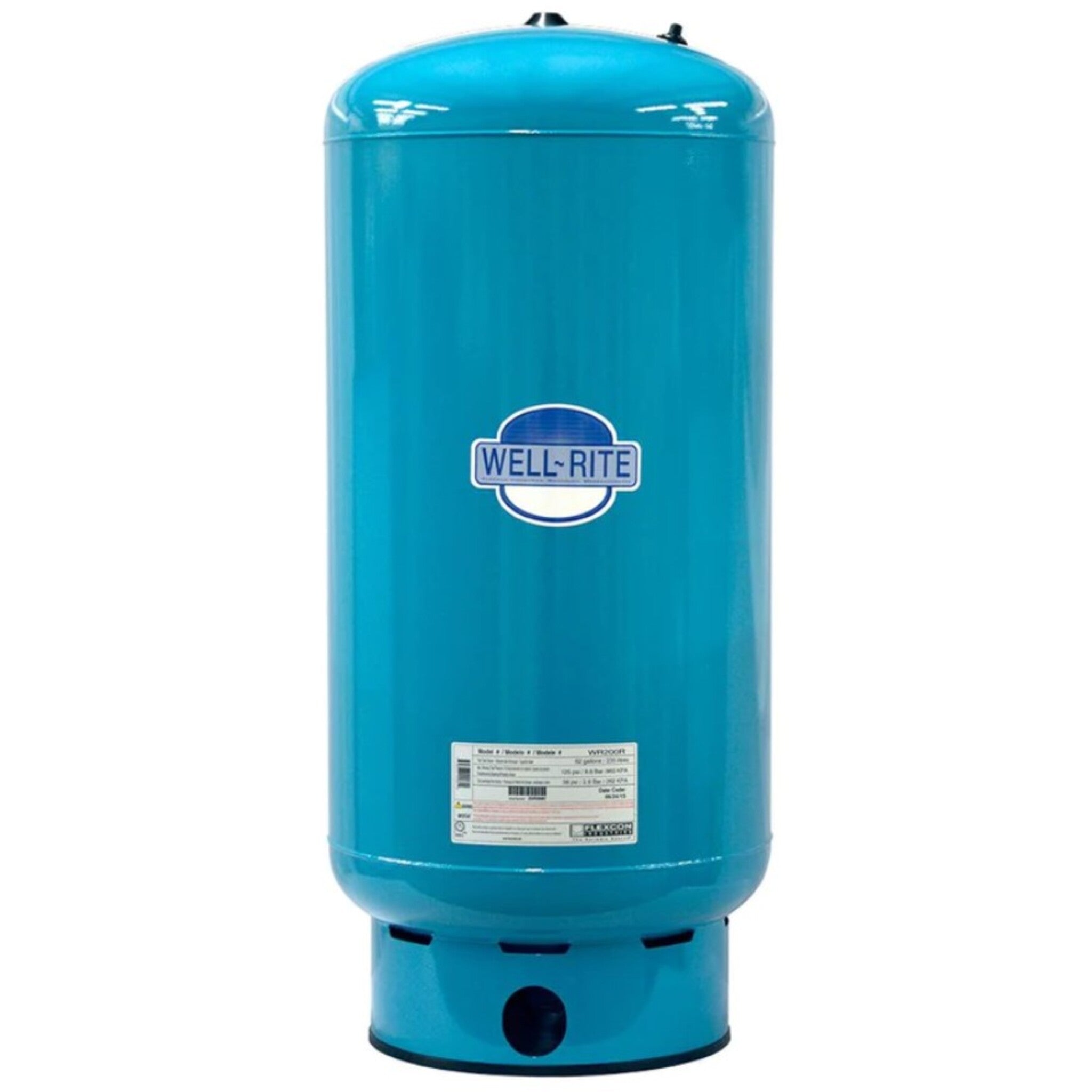
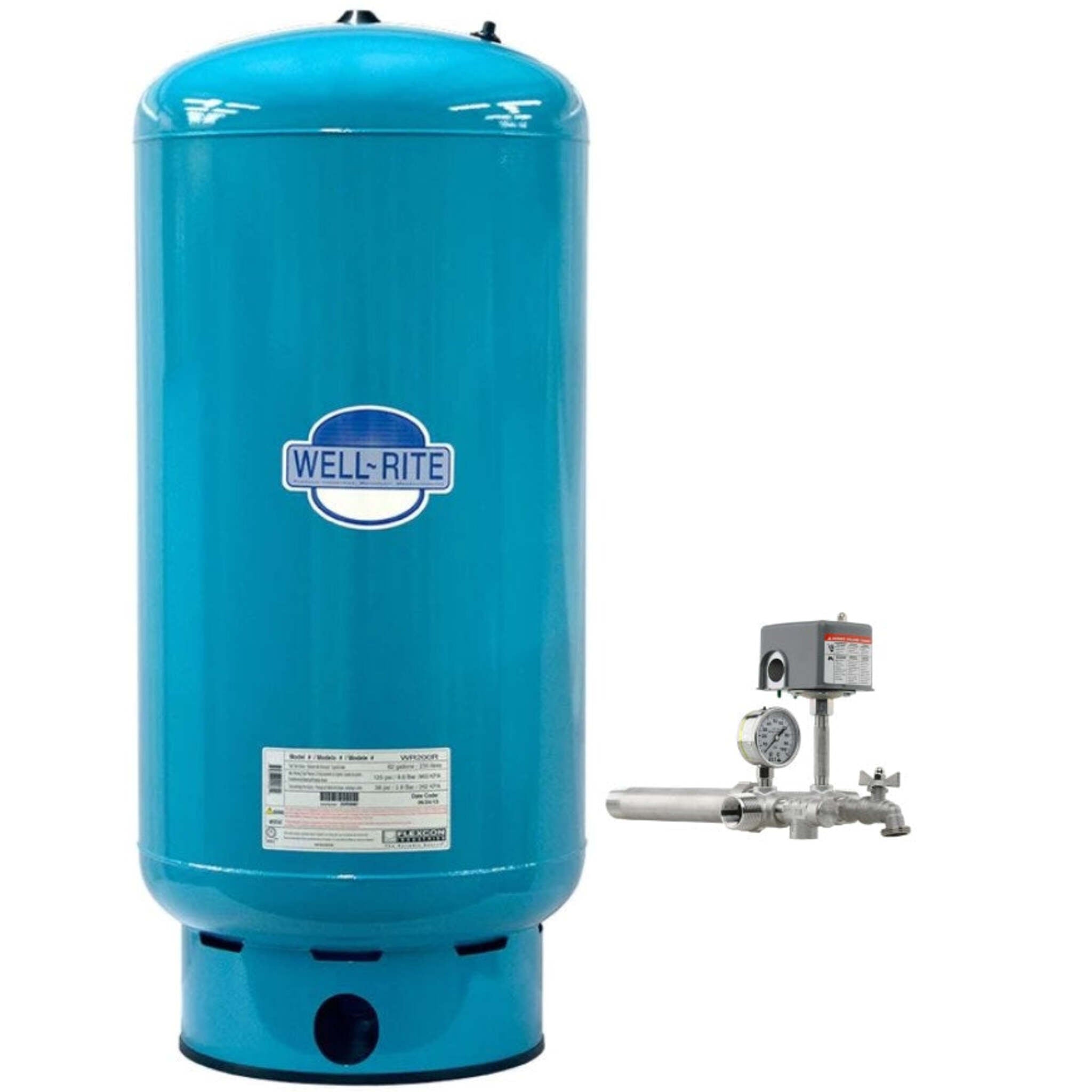
Flexcon Well-Rite WR-120R 33 Gallon Pre-Charged Pressure Tank
The Flexcon Well-Rite WR-120R 33-Gallon Pre-Charged Pressure Tank is engineered for reliable water pressure in residential and commercial well systems. It features a durable 16-gauge steel body with corrosion-resistant urethane paint, an internal butyl rubber bladder, and an antimicrobial copolymer lower chamber for enhanced hygiene and longevity. Pre-charged to 38 psi (adjustable), it supports efficient water drawdown across various pressure switches and includes a patented stainless steel connection for leak-resistant performance.
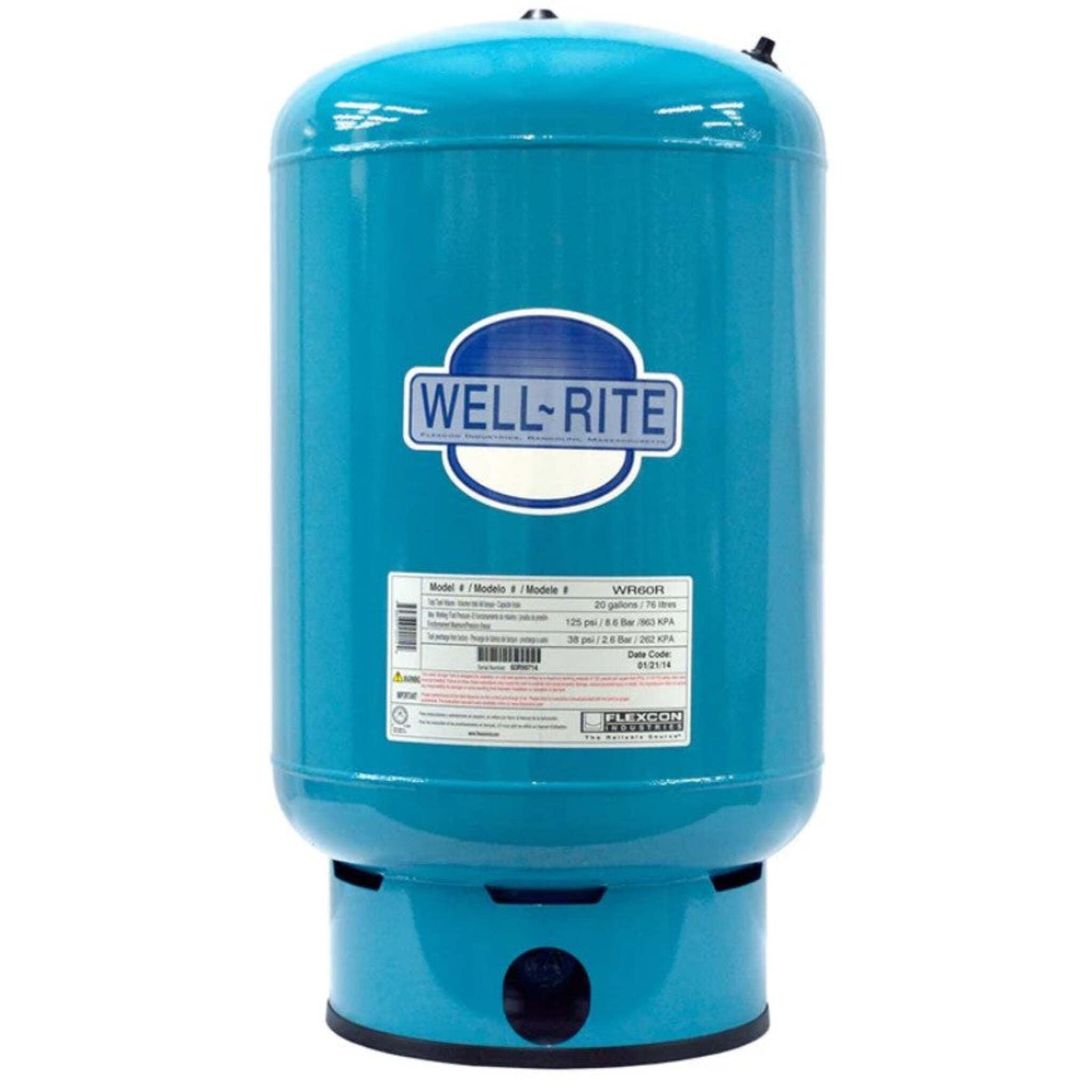
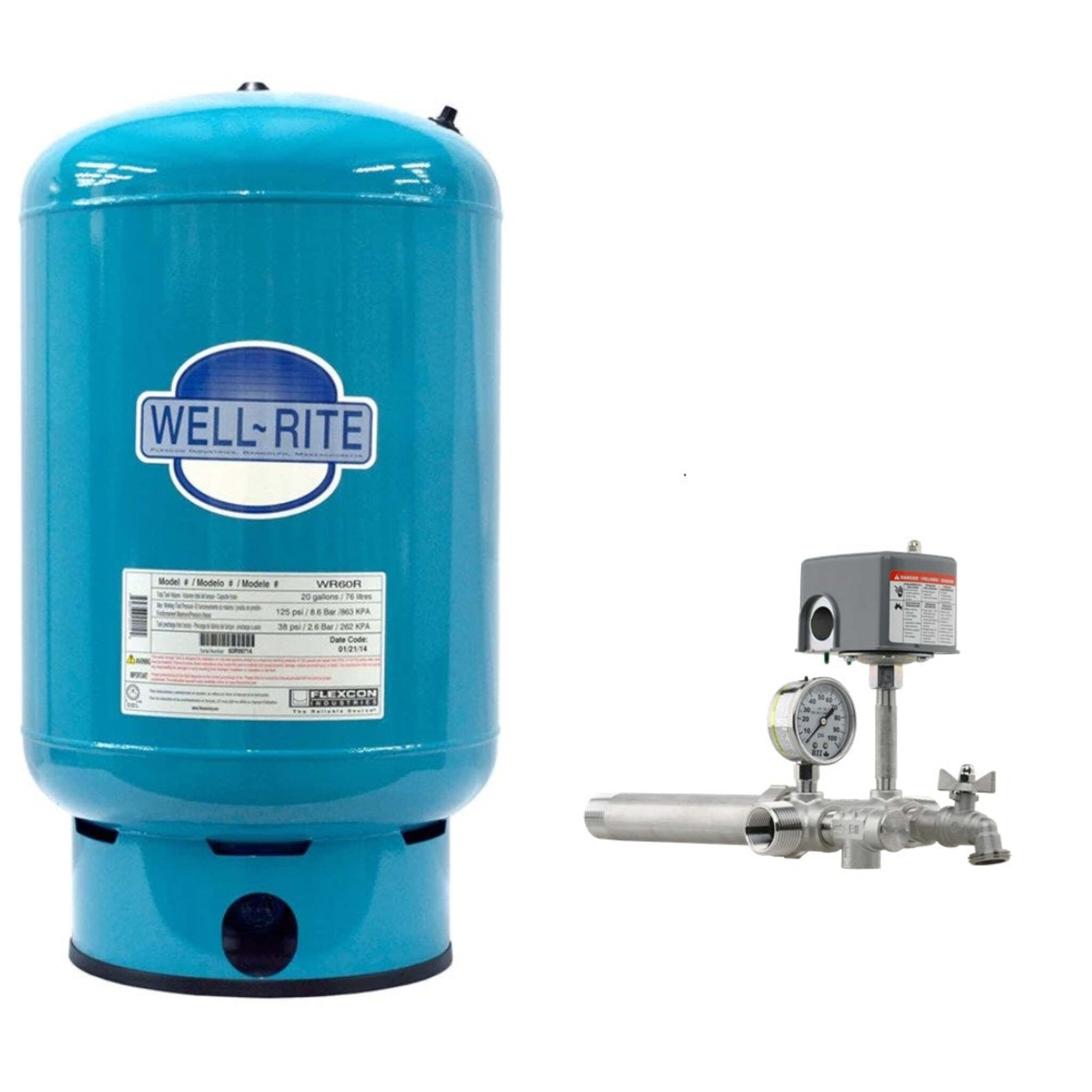
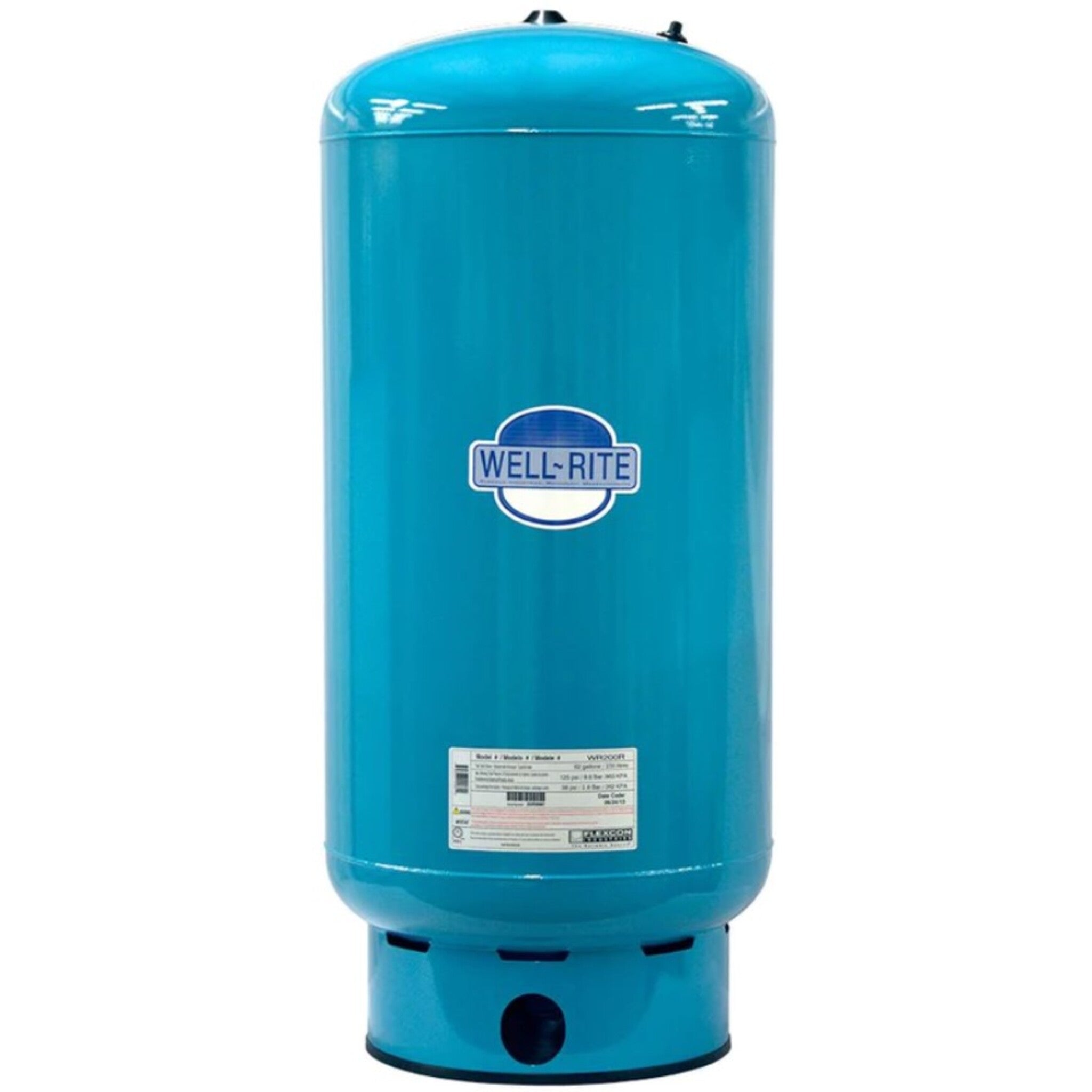
Flexcon Well-Rite WR-60R 20 Gallon Pre-Charged Pressure Tank
The Flexcon Well-Rite WR-60R 20-Gallon Pre-Charged Pressure Tank is built with 16-gauge steel and a corrosion-resistant urethane finish. It features an internal butyl rubber bladder and an anti-microbial copolymer lower water chamber to enhance durability and hygiene. Pre-charged to 38 psi and rated for up to 125 psi, the tank includes a patented stainless steel water connection with dual seals for reliability.
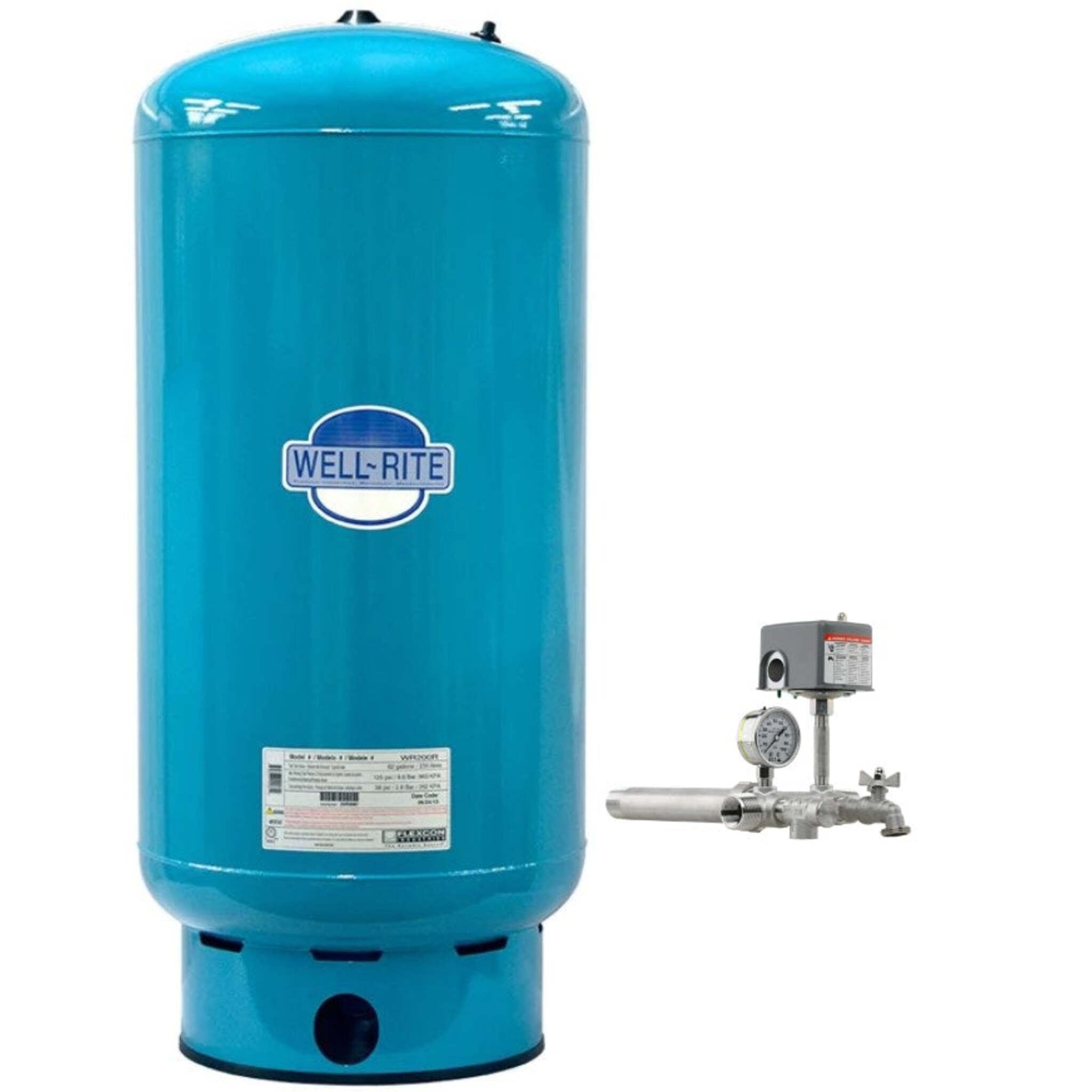
Flexcon Well-Rite WR-240R 81-Gallon Pressure Tank
The Flexcon Well-Rite WR-240R 81-Gallon Pressure Tank is a pre-charged pressure tank engineered for reliable water pressure in residential and commercial well systems. Constructed from durable 16-gauge steel with a corrosion-resistant urethane finish, it features a butyl rubber bladder and an antimicrobial lower water chamber for long-term hygiene and performance. With a pre-charge of 38 PSI, a high-pressure rating of 125 PSI, and an NSF 61 certification, it ensures safe, efficient operation.
FAQs
Why does my pressure tank short cycle even when my water pump seems fine?
Short cycling often happens when the pressure tank’s air charge is incorrect or the internal bladder is damaged. If the tank can't hold the right amount of air pressure, the pump will turn on and off rapidly, which can wear it out prematurely. Checking and resetting the tank’s pressure or replacing a faulty bladder can usually resolve this.
Can a pressure tank work without an air bladder, and is it less efficient?
Yes, traditional air-over-water pressure tanks work without a bladder, but they’re generally less efficient and require more maintenance. Over time, air dissolves into the water and must be replenished. Bladder or diaphragm tanks, by contrast, maintain separation between air and water and reduce energy consumption with more reliable pressure control.
How do I know if my pressure tank is waterlogged?
A waterlogged tank loses its air cushion, leading to little or no pressure and frequent pump cycling. Common signs include fluctuating water pressure, strange noises like clicking or banging, or visible condensation around the tank. Tapping the tank—if it sounds solid rather than hollow—it’s likely waterlogged.
Is it okay to install a pressure tank horizontally instead of vertically?
Although vertical installation is standard and preferred for performance, horizontal mounting is possible with tanks specifically designed for that orientation. These tanks come with internal supports or reinforced diaphragms. However, horizontal tanks may suffer from reduced longevity and less efficient pressure regulation.
Why does my pressure tank keep losing pressure even without visible leaks?
Loss of pressure without a leak often indicates a faulty air valve (Schrader valve), a damaged internal bladder, or a slow air leak from the tank body. If the air pressure falls below the set cut-in point, the tank will underperform. Regularly checking pre-charge pressure with a tire gauge can help catch issues early.